ΑΝ ΠΕΘΑΝΕΙΣ ΠΡΙΝ ΠΕΘΑΝΕΙΣ, ΔΕ ΘΑ ΠΕΘΑΝΕΙΣ ΟΤΑΝ ΠΕΘΑΝΕΙΣ

(ΠΑΡΟΙΜΙΑ ΟΡΘΟΔΟΞΩΝ ΜΟΝΑΧΩΝ)

Τρίτη 27 Νοεμβρίου 2012

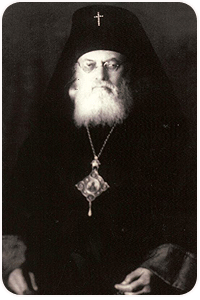
القديس لوقا المعترف أسقف وطبيب جراح


AHDONI
سامر عوض
Για τον άγιο Λουκά τον Ιατρό δες εδώ & εδώ
مقدمة

يلفتني كثيراً، ويثير انتباهي وإعجابي، التزم كنيستنا الأرثوذكية التعريف قدر الإمكان، بالقديس الذين عرفوا غاية خلق الله للإنسان، وبذلك فالقداسة عربون امتنان من قِبَل المؤمن، حيث يقول في ذاته: (سأكون كما أرادني الله). فليست القداسة إجتراح المعجزات، ولا القيام بما هو خارق....، بل هي العيش مع الله. وكفى بالإنسان أن يحب الله حتى يعيش حسب وصاياه ويتمم مشيئته، أما الغرض الأساسي من عرض و نشر سير القديسين ما هو السرد التأريخي، والاستزادة المعرفية ...، بل للتمثل بالله من خلال الذين أثبتت الكنيسة نجاح تجربتهم العملية، فأعترفت بهم واعتبرتهم ركناً من أركانها، فالقديس هو عمود نار عاش على الأرض، ماتريد السماء. يقول أحد الآباء من الكنيسة في روسيا¹: (لدينا معلومات ومعارف تفوق ما تتطلبه القداسة)، فالقداسة قريبة جداً منا أكثر مما تتصور، لأن كل إنسان مدعو وقادر على عيش القداسة(كونوا قديسين كما أنَّ أباكم السماوي قدوس)، لم يرد تحديد معين في هذه الآية.
أما قديسنا الآن فهو القديس لوقا المعترف، الطبيب الجرَّاح، والعادم الفضة، رئيس أساقفة سمفروبول وشبه جزيرة القرم، الذي عاش مابين الربع الأخير للقرن التاسع عشر، والعقد السادس من القرن العشرين، فلنغتدي منه لنعرف كيف للإنسان أن يكون أولاً في كل شيء.

سيرة حياته

ولد فالنتين في السابع والعشرين من نيسان عام 1877، في مدينة كيرتس التابعة لمنطقة بنطس اليونانية الغربية، في الطرف الشرقي من شبه جزيرة القرم، يتحدر من عائلة ياسينينسكي العريقة، إلا أن أبوه كان منبوذاً بعض الشيء لأنه كان كاثوليكي في وسط عائلة أرثوذكسية، وفد كان تقياً ومتديناً يمتهن الصيدلة، أمَّا أمه فكانت نقية وتقية لكنها لم تكن تتردد إلى الكنيسة، لتعثرها بما يدور بين الكهنة من مداولات ومداورات ومشاكل أثقلت قلبها، وللقديس أخوين غير ملتزمين كنسياً، وأخت كبرى تعاني اضطرابات نفسية أودتها دركة الانتحار، وآخرى مؤمنة وملتزمة. اضطر أبوه للانتقال إلى كييف (مؤول المسيحية الأولى في روسيا)، حيث كان يتردد الطفل فالنتين إلى دير اللافرا يومياً، وقد تعلم الرسم الذي كان موهبة مشتعلة في قلبه، حيث كان يرسم الحجاج والرهبان، وقد بقي مستواه في تطور متنامي إلى أن فاز بالجائزة الأولى من أكاديمية كييف للفنون الجميلة. أنهى دراسته الثانوية بالتوازي مع دراسته في أكاديمية الفنون الجميلة، وكي يصقل موهبة الرسم المتأصلة فيه، قرر أن يدخل الأكاديمية بعد إتمامه لدراسته الثانوية، إلا أنه شعر بأنه ليس من الممكن القيام بدراسة ما يريد وما يرغب، فقرر دخول كلية الطب كتعبير عن رغبته في العناية بالمرضى، وبعد ذلك ذهب لميونخ (ألمانيا) كي يدرس فنون الرسم بعد أن تردد قليلاً في ذلك، ثم عاد أدراجه إلى الوطن بسبب حنينه إليه، ودخل كلية الطب سنة1898 في جامعة كييف،

والمعروفة بمستواها العالي الرفيع

.
اطلع فالنتين على كتاب (ما أؤمن به)² للروائي الروسي ليون تولستوي، وقد أدرك هرطوقيه تولستوي لدحضه أسس الإيمان الأرثوذكسي، ومن ثم بدأ مطالعة الكتاب المقدس وقد نهل منه الكثير من اللآلئ، بالتوازي مع دراسته الطب إلى أن تخرَّج بتفوق سنة 1903م، وعيِّن الطبيب الشاب في إحدى المستشفيات، بمدينة (نسيتا) في الشرق الأقصى، كي يجري العمليات الجراحية، للجنود الجرحى في جبهة الحرب الطاحنة آنذاك بين روسيا واليابان.كان في (نسيتا) إلى جانب ممرضة تدعى آنا فاسيليفا، وكانت تُلقب بالممرضة القديسة، كان كلاهما عضوان في منظمة الصليب الأحمر، تبادلا عبارات الإعجاب إلى أن تزوجا، وقد بقي ملتزماً بالعمل الدؤوب والمتواصل، من الصباح إلى المساء. حتى أنه كان ينكب ليلاً على الأبحاث العلمية والدراسات، مما أشغله عن الكنيسة أيام الآحاد والأعياد، لكنه رغم ذلك كان يعامل المرضى كما كان القديسان قزما ودميان الماقنا الفضة، بالمداواة المجانية.
لقد أعدَّ أطروحة لنيل شهادة للدكتوراه سنة 1916، ونال الشهادة بدرجة ممتاز، وقد كان موضوع الأطروحة (التخدير الموضوعي)، وقد أثارت أطروحته إعجاب الدكاترة والأطباء والمهتمين بهذا المجال، وقد عيِّن رئيساً لأطباء مستشفى (بيروسلاف-زاليسكي) مابين سنتي (1910-1917) في المستشفى، وفي سنة 1920 أنتُخب أستاذاً في كلية الطب المُحدَثة جديداًً في المدينة، وقد استحوذ على مكانة رفيعة في مجال علم التشريح الطوبوغرافي والجراحة. وفي تلك الأثناء عصفت الثورة البولشفية، واندلعت بعدها بفترة وجيزة الحرب الأهلية، مما أثقل كاهله بالعمليات الجراحية المُكثفة، ولكن ألقيَ القبض عليه في هذه الفترة مدة ستة عشرة ساعة، كادت أن ترديه قتيلاَ

لولا لطف الله الذي أنقذه

.
مرضت زوجته بالسل وقد ساءت حالتها الصحية باضطراد إلى أن رقدت بسلام، عن عمر الثامنة والثلاثين، تاركة خلفها أربعة أولاد وزوج، لحسن الحظ أن الطبيب قد اصطدف بالمشفى ممرضة أرملة، وقد طلب منها أن تعتنى بتربية أولاده على أن تسكن معهم بغرفة

لوحدها، فقبلت بفرح

.
عُرف الطبيب وذاع صيته في جميع أنحاء المنطقة، لسعة اطلاعه ودقة عمله من جهة، وتعامله بإنسانية ورفعة خلق من جهة أخرى، لكن الشعور بالدعوة الكهنوتية قدانتابه، واضطرمت في قلبه الرغبة في أن يكون خادماً لمذبح الرب، وقد شعر بذلك الميتروبوليت إينوكنديوس رئيس أساقفة طشقند، فسامه شماساً في 26 كانون الثاني سنة 1921م، وكاهناً في الأسبوع التالي، يوم عيد دخول السيد إلى الهيكل، وقد طالب معترضاً عدم البقاء مع الممرضة لأن الحال لا يسمح له كرجل دين بالعيش مع امرأة تحت سقف واحد، إلا أن المطران إينوكنديوس قد عبَّر له عن ثقته به وأنه سيطبق الوصية الإلهية (لا تزنٍ). في هذه المرحلة وبعد شرطنته كاهناً لاقى فالنتين الكثير من الإضطهادات من قِبل طلاب الكلية وأساتذتها، أسوة بتضيقات الحكومة الملحدة....، إلا أنه استمر في القيام برسالته السامية. وعندما أُكره رئيس الأساقفة إينوكنديوس على اعتزال مهامه الأسقفية، بقيت الأبرشية يتيمة الأب والراعي...، وفي مؤتمر (إكليريكي –علماني) انتُخب الأب فالنتين أسقفاً ، وخلال فترة وجوده أصبح راهباً بإسم القديس الإنجيلي الطيب والرسام لوقا، فذهب سراً عبر سمرقند إلى مدينة بنسر كندا في 31 أيار 1923، حيث التقى هناك باسقفين شرطناه سراً، خوفا من الاضطرابات التي لاحقتهم ككنيسة

أينما ذهبوا وحيثما حلوا

.
بعد أيام قليلة من شرطنته أسقفاً، وفي مساء 7 حزيران1923، إذ كان يصلي دخل عليه رجال الأمن، واعتقلوه لما قد ورد من وشاية عنه، ومن حينها بدأت جلجلة المنفى المر، ودرب العذاب المضني، فقد استمر سجنه حوالي الإحدى عشرة سنة تنقل خلالها بين مدن و أصقاع عدة، عُذب و اُضطهد كأي سجين آخر، ورغم العذابات التي تعرَّض لها، إلا أنه بقي يبشر ويشرطن ويقيم الأسرار كأسقف لشعب الله، ويجري العمليات الجراحية ويطبب المرضى والمعوزين دون أجر فقد كان عديم الفضة، فضته كانت محبته للناس ومحبتهم له، أسقف المنفى كان أب وأخ وشمعة، كتب وصيته إلى شعبه، يحثهم فبها على السعي إلى المسيح الغاية العظمى لكل إنسان، على أن

تكون الكنيسة وسيلة للخلاص المُرتجى

.
عانى الأسقف لوقا كثيراً من مرارة المنفى، فقد دخل مرة إلى الكنيسة وإذا به يصلي راكعاً وخاشعاً، شعر باليأس فأدركته نفسه وأخفض عينيه إلى الأرض وخرج من الكنيسة خَجلاً من يأسه النابع من خوفه وشعوره بالحزن العميق، لما يتعرض له من مضايقات، وقد استمر درب الجلجلة هذا إلى أن انتهى به الأمر بالإفراج عنه في تشرين الثاني سنة 1925، لكنه وصل طشقند في أواخر كانون الثاني من سنة 1926،وأثناء رحلة العودة البحرية إلى وطنه اعترض المسير جبل جليدي أعاق المسير، وقد استقبلته الرعية بقرع أجراس الكنائس، وكان الفرح يعمُّ أهل المدينة، إلا أن زعماء تلك المنطقة فكانوا يكنون له الكره الشديد ويترقبون الذريعة المناسبة، كي يتخلصوا منه، فاتهموه بجريمة قتل أستاذ جامعي لمادة الفيزيولوجيا، فقد إعتُقل على الأثر مرة أخرى، وبعد عام من التحقيق و التعذيب، نُقِل إلى شمال روسيا ومن ثم إلى مدينة رئيس الملائكة (أرخانجيلس)³ وقد تحمل هذه المسيرة التعذيبية الثانية بصبر ورَوية، وفي لينيغراد طلب (كيرون) رئيس مجلس السوفيت في المدينة وعضو المكتب السياسي للحزب، من القديس كي يترك الكهنوت مقابل إعطائه أرفع مركز جراحي في مشافي المدينة لكنه رفض ذلك، كما وقد رفض نشر كتابه (المجلد الضخم حول مرض السيلان القيحي)، إذا لم تُذكر صفته

كأسقف

.
بعد عودة القديس لوقا إلى طشقند أواخر كانون الثاني 1926، طُلِبَ إليه ثلاث مرات على التوالي كي يتولى السدة الأسقفية في (الكورشلو) و(الأورال) لكنه تمنع بناءاً على سماعه لنصيحة أسقف جليل طاعن في السن استشاره القديس، فطالب القديس إحلته للتقاعد، و بدأ من جديد من حيث انتهى في بحوثه حول وباء (السيلان القيحي)، وبذلك تفرغ أكثر للعمل في حقل البحث العلمي الطبي.
وفي إحدى الأيام من سنة 1937، هجم ثلاثة من جال الشرطة منزل القديس، كي يقتادوه إلى مركز الأمن، بهدف التحقيق معه بصورة متواصلة ليلاً نهاراً دون راحة أو حتى نوم ولو للحظة، دام التحقيق معه ثلاثة عشرة يوماً، أُنهي بالتوقيع على (صك) يدل على اشتراكه في عملية مزعومة، للإطاحة بستالين الحاكم الديكتاتور، وقد استمر تعذيبه سنتين وهو محتجز، إلى أن صدر الحكم بنفيه إلى سيبيريا زهاء ثلاث سنوات، دأب فيها على مواصلة فعل الخير ومساعدة الآخر، ونقل الصورة الحقيقية للمسيح إلي مَن كان مِن حَوله، فقد كان

أيقونة وهاجة بين من إلتقاهم، أحب الكل والكل أحبه

.
وفي أيلول من العام 1943 التأم مججمع الأساقفة الروس المقدس، والذي عيِّن فيه المطران سيرجيوس بطريركا لسائر روسيا، وقد سُمِّيَ الأسقف لوقا رئيساً لأساقفة كراستوبارسك، لم يكن في المنطقة أي كنيسةٍ مفتوحة لممارسة الصلوات والخدمات، وبعد إلحاح دؤؤب منه سُمح له في شهر آذار من العام1944 بتشييد كنيسة صغيرة، وقد كانت خارج المدينة (في مقبرة بلدة نيكولا نفسك)، وعلى بُعد سبعة كيلومترات. وهو يقارب السبعين من العمر، إلا أنه كان يدأب على العمل الجاد والمتواصل في سبيل خدمة الرعية، وبعد أن وضعت الحرب العالمية الثانية أوزارها سنة 1939، ونيله ميدالية حكومية تقديراً لأعماله الخيرية، من خلال التخفيف من آلام الجرحى، والدفع بمهنة الطب إلى الأمام فقد قرر المجمع على أثر ذلك تعينه رئيساً لأساقفة سمفر وبول وشبه جزيرة القرم سنة 1943، والتي وصلها في

26آيار 1946 بعد أن أطلقوا سراحه من المنفى

.
واصل القديس عمله الرعائي والبشاري والأسراري، فكان الأخ القريب لكل فرد من أفراد رعيته، يخدم القداس بتقوى وخشوع، يحمل نير الكلمة عالياً وشامخاً. وقبل إلقاء محاضرة دُعِيَ إليها، مُنِعَ مِن إلقائها إذا لم ينزع عنه الرداء الكهنوتي والأيقونة (الأنكلوبيون) اللذين يرتديهما، لكنه رفض أن يساوم، فكان بذلك ويحق أسقف الحق والصدق والمحبة في زمن الحروب و الإضطهادات والشدائد.
منذ الخمسينات توقف عن ممارسة الجراحة، وبدأ بصره يضعف وحالته الصحية تسوء على إثر مرضه القلبي المصاب به سابقاً، وفي ربيع 1952 ذهب إلى موسكو وارتاد مكتباتها منكباً على القراءة حتى منتصف الليل، فساء وضعه البصري إلى أن انتهى به الأمر بعدم القدرة على التميز بين الألوان وبين الأغراض، وقد تقبل ذلك بصبرٍ ومحبةٍ واتضاع، شاكراً الله على نعمه الكثيرة التي أغدقه بها.
عانى الروس من موجة اضطهادات جديدة، أثمر عنها تهديم عشرة آلاف كنيسة ودير، خلال ثلاث سنوات، مما أَتعب الأسقف الجليل ومن حينها بدأت صحته بالتأخر أكثر فأكثر، إلى أن كان القداس الإلهي يوم الميلاد 1960، آخر قداس يخدم فيه، وأحد الغفران في السنة التالية هو آخير أحد وعظ فيه، إلى أن رقد بسلام الساعة السادسة من صباح الأحد 11 حزيران 1961، ذكرى الاحتفال بعيد جميع القديسين الروس، شُيِّعت جنازته سَيراً على الأقدام من الكنيسة إلى المقبرة، حوالي الثلاث ساعات ونصف، رغم التضيقات التي مارستها وفرضتها سلطات المدينة، متذرعة بأن الموكب سيعيق حركة السير، وُضِعَ الأسقف في قبر بسيط، تزينه ورود الحجاج، ويعبق

بصلواتهم وأدعيتهم

.
كان رئيس الأساقفة راسخاً في ضمير الشعب قديساً، قبل أن تُعلَن قداسته كنيساً، وقد تشكلت لجنة لدراسة حياته وأعماله وعجائبه، وقد أَعلنت الكنيسة في أوكرانيا قداسته كقديس محلي في 22 تشرين الثاني 1995، وقد أُعِدَّت له خدمة طقسية ورُسمت له أيقونة، وفي المجمع الروسي المقدس المنعقد بين 13و16 آب2000 أَعلنت الكنيسة في روسيا قداسته، ونُقِلَت رفاته إلى الكنيسة للتبرك منها، وسط جمهور غفير بلغ الأربعين ألف وبمشاركة مطران كييف فلاديمير، وعدد كبير من رؤساء الأساقفة، وقد حُدد يوم 11حزيران تذكاراً

سنوياً، كي تعيد له الكنيسة في هذا اليوم


.

إنجازات القديس على الصعيد العلمي الطبي وتكريمه عالمياً

طوَّر القديس في التخدير الموضعي، الذي يُخدر به مواضع معينة من الجسم، وذلك درءاً للمخاطر التي قد يُسببها التحذير العام من مضاعفات، ولعدم ضرورته في بعض الأحسان، ويُعَد مِن أول مَن قام بإجراء العمليات الجراحية مع نقل الدم، فقد كان بارعاً كل البراعة في استخدامه المشرط أثناء العمليات الجراحية.
بَعد عودته من المنفى إلى طشقند، وبعد سنوات طوال من البحث في مرض(السيلان القيحي) طَبع أخيراً البحث ككتاب، وقد لاقى استحساناً كبيراً لدى الأوساط الطبيعية في روسيا والخارج، وقد نال على الأثر جائزة ستالين مرتين، والتي كانت تعتبر جائزة حكومية كبرى في ذلك العصر، أسوة بالجائزة المالية (مئتي ألف روبل) وقد وزَّعها على الفقراء.
قام رئيس السوفيت المحلي مرة بتسليمه جائزة، وقد قال: (كنت أتمنى لو كنت تساعد أكثر زملاءك الأصغر منك سناً)، فأجاب الأسقف لوقا: (أنا أساعد الجميع وقد تشاطرت مع زملائي الأطباء خبرتي الطيبة، ولكن.......، كم من الوقت قد ضاع وأنتم تنفوني وتحتجزوني وتعذبوني بدون سبب)، فعمَّ الصمت العميق لتأخذ كلماته الصدى الكبير في نفس الحضور، وقد ردَّ الرئيس قائلاً: (دعنا نترك ما قد فات ونلتفت إلى الحاضر والمستقبل)، فأجاب الأسقف: (لا ..، لا..، أعذرني لن أنسى).
ولقد أرسل مهنئاً العالم إيفان بافلوف، بمناسبة الذكرى المئتين لتأسيس الأكاديمية التي يمارس الطب فيها.


خاتمة

عاش في بلاد روسيا طبيب جراح بارع، وباحث متعمق في الطب، ورائد في المجالات العلمية التي اختص بها، لكن هذه كلها لم تصرفه، عن ربِّ العلم والطب (يسوع المسيح)، فقد عرف كيف يستخدم المَلَكة التي منحه إياها الله، إذ استعمل الأشياء وأحب الله والإنسان.
فالطب والعلم بالنسبة إليه ما هو إلا مجرد وسيلة لتحقيق الذات في خدمة الله والإنسان والكنيسة، لم يسمح أن يكون العمل عرقلة للوصول إلى القداسة وعيش الفضائل، بل وسيلة لتحقيقهما وبلورتهما عملياً بالطريقة الواجبة الإتباع كنسياً وروحياً، مما لا يُحصر الفائدة في ذات الطبيب فقط، بمداواته المرضى وجنيه للمال والشهرة، إلا أن الأسقف لوقا قد حقق مجداً من نوعٍ آخر فقد أبقى لنا كبشر زوادات روحية وعلمية وطبية، كي يكون بالنسبة إلينا منارة أرضية وسماوية تهدي، وترشد وشمس تضيء وشمعة احترقت لتشعل وتنير مَن حولها..، فقد مرَّ على الأرض في أصعب الأوقات وأحلك الظروف إلا أنه رغم كل شيء عاش الحياة الحقيقية.

طروبارية باللحن الثالث

لقد أظهرتك نعمة المعزي قديساً جديداً في أوقات الاضطهاد والضيق، للأمراض طبيباً وشافياً، وللنفوس راعياً ومرشداً، فيا أيها الأب البار لوقا، يا مثال المتزوجين والمتوحدين، تشفع في خلاص نفوسنا.

قنداق باللحن الرابع

أيها الجزيل البر لوقا، لقد ظهرت شمساً في ليل الاضطهاد الحالك، لذا أيها المغبوط، تسكب في نفوس المعذَبين الراحة الإلهية

المراجع

حداد،إعداد جينا: سيرة القديس لوقا المعترف رئيس أساقفة سمفروبول وشبه جزيرة القرم، منشورات تعاونية النور الأرثوذكسية، لبنان، 2005.

الهوامش

1- اعتقد ان اسمه ميخائيل.
2- الكتاب ممنوع في الخارج.
3- تقع المدينة على البحر الأبيض، ويسودها البرد القارص تسع شهور في السنة.
4- كان مشاركا بالمجمع.
5- أتمنى ان تُتَرجم خدمة القديس الطقوصية، كي يتسنى لنا إقامة العيد طقوسياً بصورة كاملة ولائقة.
6- مرض يصيب عموماً من يمارس الجنس بطريقة غير شرعية، ومن عوارضة سيلان السائل القيحي من فتحة الشرج، وهذا المرض يصيب الذكور حصراً

Δευτέρα 26 Νοεμβρίου 2012

St. Nicholas of Japan & Orthodoxy in Japan Today


Documentaries on St. Nicholas of Japan (Russian) 


MYSTAGOGY


Unfading Light of the Rising Sun: the Memory of St. Nicholas of Japan


February 16, 2012 marks the 100th anniversary of the repose of St. Nicholas of Japan (1836-1912). Archbishop Nicholas converted to Orthodoxy over 20 thousand people, translated into Japanese the New Testament and the main prayer books, and built the Orthodox Cathedral in Tokyo. The film tells the story of Russia and Japan since St. Nicholas. It includes photographs of Japanese daily life of the Orthodox mission ands rare archival footage. The shooting took place in Japan, Tver, St. Petersburg and other places associated with the life of the Saint. Filmed with the blessing of His Holiness Patriarch of Moscow and All Russia Alexy II and the Metropolitan of Tokyo and All Japan Daniel. In 2005, he received the Special Jury Prize at the XIV International Film Festival "Golden Knight". 
The third film in the series "Planet of Orthodoxy."

The film stars the Metropolitan of Tokyo and All Japan Daniel, and makes one believe in the miracle of serving as a single person giving birth to a new Orthodox Church - the Church in Japan.


Orthodoxy in Japan Today


Photo from here

MYSTAGOGY

The Japanese Autonomous Orthodox Church faces problems in its mission: people in the "land of the rising sun" are in no hurry to get baptized.

"We have newly converted believers, who have been baptized. But the majority of the baptized are children of mixed Japanese-Russian marriages. In total, there are about 20-30 new Orthodox believers a year in Japan," Metropolitan Daniel of Tokyo and All Japan said in his interviewee with the Izvestia daily.

Image
According to his data, there are about 30 thousand Orthodox believers in the country (there were about 90 thousand of them in the first half of the 20th century), 60 small churches and chapels are open, and about 30 priests work in them.

"After the October Revolution, Orthodox Japanese were left to themselves and it did not help spread Eastern Christianity. And in recent years, Japanese have mostly focused on their immediate needs. They often forget that there is something more important," the Metropolitan said.

According to him, very few Japanese want to become monks.

"They want to have a family. It is not in Japan tradition - to be alone. When Patriarch Kirill was here, he told me it would be nice to have more monks here. But where can I get them? So we have two administrators for three dioceses and I have double the job. That's why I can't even find a successor," Metropolitan Daniel said.

If someone from Russia becomes a successor, then the Japanese Church will "lose its autonomy," so "we need a Japanese," he believes.

Photo: Fr Paul Sawabe Takuma 沢辺琢磨 Father of Orthodoxy in Japan


The Japanese Autonomous Church was founded by St. Nicholas (Kasatkin) who came to Japan from Russia in 1861 by decision of the Holy Synod. He founded and headed the Russian Orthodox mission in Japan in 1870. He translated the Holy Scripture and liturgical books into Japanese and built the Resurrection Cathedral in Tokyo.

The Russian Orthodox Church canonized Archbishop Nicholas in 1970. The Moscow Patriarchate granted autonomy to the Japanese Orthodox Church the same year.

Click:
Saint Nickolas of Japan & the samurai Fr Paul Sawabe Takuma 

Τα ψέματα για τον όσιο Νίκωνα τον "Μετανοείτε" (26 Νοε)

Κυριακή 25 Νοεμβρίου 2012

Ιερά Μονή της Αγίας Αικατερίνης Σινά (από τη ΝΕΤ)


Αναδημοσίευση από εδώ. Για την αγία Αικατερίνα (και το ζήτημα της ιστορικότητάς της) εδώ.

Αικατερίνα η Πάνσοφη - Μερκούριος ο Τοξότης - Στυλιανός ο Φύλακας των Παιδιών

Άγιοί μας, αγαπητοί στο λαό μας, που γιορτάζουν 25 & 26 του Νοέμβρη!

Αικατερίνα η Πάνσοφη
 

Άγιος Μερκούριος, ο τοξότης μάρτυρας
 

Ο πρώτος παιδικός σταθμός!... (άγιος Στυλιανός)
(και μια εκπομπή της ΝΕΤ - από εδώ - στο τέλος του post)

Εικ. του Σωτ. Παναηλίδη

Σάββατο 24 Νοεμβρίου 2012

The tears of Panagia

A real incident that occurred in a Cell of Kapsala, Mount Athos.


I was at Mount Athos in order to purchase handmade items from the Monks.
The handmade objects I am referring to are items which the monks make for example, incense, prayer ropes and other items which they sell or exchange in order to get by.
I was told in Karyes, the capital of Mount Athos, that I would find the “Tears of Panagia” and small portable Icons made from bees wax in Kapsala (a remote area of Mount Athos, near Karyes). They showed me a cell on a local map where I could purchase “Tears of Panagia” (Theotokos, Virgin Mary).
         Tears of Panagia are prayer ropes (Komposchini) or if you like worry beads (kompologion) made from the fruits of a certain plant which is called the tear of Panagia.
Gerasimos Smyrnakis, in his book titled Mount Athos, which was published in 1903, writes the following: 

Icon from here
“The tears are harvested from the fruits of a bamboo like plant from the months of July until October. The fruit is like a hard pip which they call on Mount Athos the Tears of Panagia. These plants are farmed in a limited quantity and thrive in areas that have much water.”
“They were called Tears of Panagia, as is said by the monks, when The Holy Theotoks appeared to an elder at the Cell of Saint Panteleimonos and showed him how to farm and use the plant in order to make a living.”

Kapsala is an area of Karyes with many cells. Living in this area is considered by monks very difficult due to high levels of humidity and cold, especially in the winter.
Imagine two mountain arms hanging vertically in the sea, high above Karyes, and one of these arms folded over the other. In the naturally deep valley created by this fold, you will find Kapsala. The area collects most of the water from the surrounding areas, and is not exposed to much sunlight, due to the obstruction of the vertical mountains. It is considered deserted and highly ascetic by the fathers of Athos.

After the difficult downhill trek of an hour and a half whilst being surrounded by a dark and overgrown forest, I arrived at the Cell of St. Nikodimos [photo], the place where I was told the monk lived and sold the tears of Panagia. The Cell of St. Nikodimos was quite small in size, built in the traditional stone built method of Mount Athos and had two levels, a ground level and a first floor. On the ground floor, as I had observed later, was split into two areas, a sitting room and a small church. This small church was dedicated to the memory of St. Nikodimos the Hagiorite, a stand out figure in the spiritual movement of the Kollyvades, the movement which gave Orthodoxy a renaissance in the 18th century. 
I knocked on the door. No answer. I noticed that the door was rotted and was being supported by two rusted metal hinges. I knocked again carefully in order not to destroy the door and heard a sound coming from inside. I said “your blessings father” and received a response “May God bless you” and the door was opened.  


A relatively young monk appeared at the door. He was tall, un-kept, and looked quite run down and sick from the hard life in the area. I bent forwards toward him to kiss his hand as a sign of respect, but he refused. (This is quite common for monks to do on Mount Athos; it is considered a sign of humility). He asked me what I wanted. I explained to him that I buy Mount Athos handicrafts, which I resell outside of Mount Athos, and make a living. I further explained that I was told to come to him because he made “worry beads” (Kompologion) from tears of Panagia. He responded abruptly, “Prayer ropes, not worry beads” and his demeanour changed and he was ready to end the conversation and close the door. I then started talking about other monks that sell me handicrafts mentioning many names and at the same time I was apologising for my mistake. He calmed down somewhat, maybe he recognised one of the names I had mentioned. He asked me “How much do you buy them for?” I asked him, “How much do you sell them for?” I noticed he was unwilling to answer the question. My response to his question with a question was wrong.
With a somewhat lowered tone of voice I told him that it was very rare for someone to make prayer ropes from “tears of Panagia” because it required much effort to make a hole through the naturally hard beads. At this point, I was ready to pay him whatever he wanted and any price. I explained to him that my profit was a small margin from the actual price I would buy them for, and that I take all the risk. The prayer ropes may not sell, however, I would not return them. He continued to be unwilling. I again changed the discussion and asked him if the Cell was indeed dedicated to St. Nikodimos the Hagiorite [photo]. He answered, “Yes, St. Nikodimos also stayed in this Cell for some time”. Upon his answer to my question, I joyously responded by telling him that «Unseen Warfare (Αόρατος Πόλεμος)» written by St. Nikodimos and originally published in 1796 was one of my favourite books and I began talking to him with enthusiasm about the book. I thought to myself, would he allow me to enter the church and Cell where the Saint stayed? That was it; the monk smiled and invited me in.
He took me to the church so I could venerate the Icons. The church was small, dark and very damp. After we venerated the Icons of Christ and Panagia, me just doing my cross, the monk with big prostrations, he took me to an Icon of St. Nikodimos the Hagiorite. We venerated the Icon and stood in front of it for a little looking at it in silence. We then returned to the sitting room. He left me there, without telling me to take a seat, and went off to get his handicrafts. I was looking around the sitting room whilst standing. There was a wooden table with two chairs and a bench. The area was not heated and smelt like mould. There were a few faded, printed Icons on the walls and a few books quite high on some makeshift shelves. I noticed that a few of the books were in Russian.
The monk returned to the sitting room and brought with him quite a few prayer ropes. He showed me and told me that he did not know what they were worth, “give me as much as you like”. I was in a bad position, what could I give him for them? I asked him, how much do you sell them to others? He responded “I give them to other Cells and Monasteries and in return they give me food and necessary items for the upkeep of the Church”. It was the first time that he would sell anything to a person from outside Athos. I continued to be in a difficult position because it was the first time I was buying prayer ropes as such; I had no method of comparison. I then took all of the money I had in my wallet, gave it to the monk and told him “take as much as you want”. He was now in a difficult position, I sensed that he was about to gift them to me, however I knew that he was in need of some money.
I them asked him if he knew Russian, due to the fact that I had seen Russian books on the makeshift shelves. He replied telling me that he was self taught in Russian and that he was learning through these books. I asked him if I could see the books. He asked me surprised if I knew Russian. I told him yes, I am completing my Russian language studies from the school of Balkan languages. His eyes shone with excitement and he spoke to me in broken Russian. I immediately answered him in fluent Russian which I learnt from my teacher. He brought me a letter written in Russian in order for me to read, told me to sit, apologising that he had me standing all of this time and brought out a tin of hazelnuts and almonds. As it seemed, that would be our dinner.
“Do you know the magazine Russian Pilgrim (Православный паломник)” he asked. “A Russian monk made me and some other monks subscribers, and I decided to learn Russian in order to read it”. He explained. “My relatives sent me a dictionary, grammar book, a learning guide and I began learning”. He went on telling me that he would choose easy articles from the magazine, beginning from the correspondence section in which letters of anonymous readers with questions, queries and feedback were published. 


One day he read the letter of a female reader of the magazine from a distant city of Siberia. In the letter she was complaining that God does not exist, since she was alone in life, an unmarried single mother of an 18 year old boy. The time came and her son died in an accident. A drunk driver struck him whilst he was crossing a road. She said, if God existed, he was bad. He took away her only son, the only happiness in her life. She raised him with many trials and tribulations, protecting him from evil habits and in a Christian manner, and look how God rewarded her. He took him so young, why? He left her alone in life without any support. What meaning did her life have now? She concluded that she would take her own life.

“I was shaken from the heartfelt letter of this mother” he told me when I finished translating the letter. He continued by telling me that he prayed all day to God for her. “Holy Mother of God, console this soul, do you miracle” he prayed. He wrote a letter immediately to this Siberian mother with very broken Russian. The letter of the mother in the correspondence section only had her full name and the city she was from published, but he thought to himself that the city was small and the postman would find her. He wrote to her that he was a monk at Mount Athos that lived in remoteness. “The letter you sent to the magazine touched me deeply and I pray day and night for you” he wrote. He continued telling her that life does not end in this world; it begins in the next and other words as such. In a little while, he received a letter. It was from her! “This is what you are reading at the moment” he told me.
She was ready to take her own life by jumping from the window of the tall building she was living in, when someone rang the doorbell from downstairs. She got down from the window ledge and asked who it was via the intercom. It was the postman and he was bringing her a letter, a letter which was written by an unknown monk from Mount Athos, thousands of kilometres away! A letter without her full address, but after the efforts of the postman it had reached her.
She cried and sobbed, it was God who had sent her that letter.
I continued reading and translating her letter. “God did not forget me, he showed me that the path of a heavy Cross also exists” she wrote.
“Lord, from the multitude of grief in my heart your supplications have rejoiced my soul” (Κύριε, κατά το πλήθος των οδυνών μου εν τη καρδία μου αι παρακλήσεις σου εύφραναν την ψυχήν μου) the monk chanted. May His name be glorified! He explained that they have continued writing each other and now no word of suicide.
I was holding the letter of the Russian woman in my hands, quite visibly moved.
Outside it was already very dark. It was impossible for me to leave. The monk seen me looking outside at the darkness restless and he suggested I stay the night. Upstairs he had two rooms, in one he stayed and I would stay in the other. He told me that tonight after midnight another four or five monks were coming so that they could conduct a vigil. “Do you want to join us” he asked. Yes of course I answered. He guided me to my room. The room was small, the wood was rotted and eaten by termites, and an oil lamp was there which I lit.  The monk told me that the toilet was outside of the Cell in the forest. When I opened the door to go, I saw such darkness covering everything out there, I decided to hold it and not go.
The cold was unbearable, the monk brought me four thin blankets, unwashed and worn out from excessive use. The next day I found out that these were all of the blankets he had. I lied down fully clothed, wearing my jacket and wrapped in the four blankets and I was still freezing. I was unable to sleep from the cold; dampness from the ground floor was seeping up the walls of the room as time progressed. The room also had a wooden window with a very slim glass pane, without a curtain or outer shutter.
I looked out from the window into the darkness. My God, the cold darkness was like a live beast prying on me from the darkness. Unconsciously I was saying the Jesus Prayer in order to console myself. The hours were going by painfully slow. The unbearable cold was getting worse by the hour. I heard a knock at the door and then the voice of the monk asking me to come down to the church for the vigil. I went down immediately. The other monks had arrived, amongst them an elder, which all the others were showing respect to, and kissing his hand. I went also to get his blessing; he looked at me slightly smiling and blessed me.
The vigil began; the small church was lit with a few candles. The monks were chanting slowly and the Icons were barely visible. There was warmth in there, more than likely from the body heat of so many people. Time was passing and I began to get drowsy. Suddenly there were large bangs heard at the outer door of the Cell. A strong wind blew and created a loud whistling sound from the gaps around the door.
The monks looked at each other puzzled, who would be in the wilderness at this time of night in this darkness? The bangs at the door happened again impatiently and harder, the wind did not cease. If it was someone they would have to open for him, he might have been in need of something. “Your blessings” exclaimed one of the monks (Ευλόγησον) which is a customary term used in Mount Athos by the monks. Silence ensued. Again large bangs were made on the door which at this stage was ready to break apart. All of the monks, including myself, looked at the Elder. The Elder got up from his chair and approached the door. He stood in front of it. “Repeat after me” he shouted at the door. “By the blessings of the Holy Fathers, Lord Jesus Christ, have mercy on us and save us Amen, and I will open for you” (Δι' ευχών των Αγίων Πατέρων ημών, Κύριε Ιησού Χριστέ ο Θεός, ελέησον και σώσον ημάς, αμήν). 
There was silence for a while, and then someone was clearly heard saying by the blessings, mmmmmm and continued with gibberish and un-comprehensible sounds. The monks withdrew toward the small church. The Elder remained in front of the door and repeated “if you are human, say, By the blessings of the Holy Fathers, Lord Jesus Christ, have mercy on us and save us Amen, and I will open for you” Again the same was heard by the blessings, mmmmmm and then the same incomprehensible sounds but this time they sounded beast like. The third time the Elder whispered some prayers of exorcism. Then something foreign, un-human (that’s what it seemed like) hit the door powerfully making beast like sounds. After that, there was silence, the wind stopped and we did not hear another noise at the door. We were restless however the fear in us slowly started to reside. I think that all of us, that night, prayed with such vigilance like no other time in our lives. The vigil ended brightly with the Divine Liturgy. Dawn broke, a bright sun made its appearance and ridded us from the darkness of the night. In the morning I heard the Elder, from a distance, talking to the other monks, I heard him say “he (the demon) walks around like a lion, looking for something to devour, but due to his pride he cannot ask for the mercy of God, neither mention the name of Christ because he is tortured” (ως λέων ωρυόμενος περιπατεί ζητών τίνα καταπιεί, αλλά ως υπερήφανος που είναι δεν μπορεί να ζητήσει το έλεος του θεού, ούτε να προφέρει το όνομα του Ιησού, γιατί μαστιγώνεται).
Later the Elder and the other monks departed, the monk and I agreed to a price for the hand crafted prayer ropes and I returned to Karyes. The monk and I continued to have a good trade relationship for years, although I never returned to his Cell or Kapsala in general. He would send me his handicrafts via the post office in Karyes.


Translated by George Frangos.  

Original post here

Δεσπότης πουλάει αντικείμενα αξίας & βοηθάει φτωχούς!

Από εδώ & εδώ.
 
Την εντυπωσιακή πρόταση να εκποιηθούν τα τιμαλφή και τα αφιερώματα ναών και μοναστηριών προς όφελος του λαού που υποφέρει (όπως έγινε από την Εκκλησία και στην Επανάσταση του '21) καταθέτει στην «κυριακάτικη δημοκρατία» ο μητροπολίτης Φθιώτιδος κ. Νικόλαος.
["Ν": Επιτέλους! Αυτό έλπιζα ν' ακούσω από την αρχή της οικονομικής κρίσης! Ο π. Νικόλαος είναι γνωστός για τον αγώνα του υπέρ του λαού - δεν είναι ο μόνος, ευτυχώς. Ό,τι κι αν λέμε (ακόμα κι εμείς οι "ορθόδοξοι" πολλές φορές) έχουμε αρκετούς καλούς μητροπολίτες και ΠΑΡΑ ΠΟΛΛΟΥΣ καλούς παπάδες.]
Η πρωτοβουλία του έχει επίσημο χαρακτήρα, συζητήθηκε ήδη στην Ιεραρχία και έχουν ξεκινήσει οι διαδικασίες για να εφαρμοστεί στη Μητρόπολή του αφού, όπως λέει, «καλύτερα να τα πάρουν οι φτωχοί παρά να τα κλέβουν οι κλέφτες ή να τα κρύβουμε στα θησαυροφυλάκια».

Ο κ. Νικόλαος ταΐζει εκατοντάδες φτωχούς στα συσσίτια, μοιράζει 2.000 δέματα σε οικογένειες και καταθέτει χρήματα σε λογαριασμούς ορφανών κοριτσιών προκειμένου να αποκτήσουν προίκα!

Υποστηρίζει ότι η Εκκλησία οφείλει να έχει λόγο σε όσα συμβαίνουν στη χώρα, κάνει λόγο για ψέματα των πολιτικών που τώρα θερίζουν θύελλες και ασυνέπεια υπουργών, ενώ δηλώνει ότι «ο κόσμος περιμένει κάποιον σωτήρα που θα μας βγάλει από αυτή την περιπέτεια». ...


-Σεβασμιότατε, πόσο δύσκολη είναι η οικονομική κατάσταση στη Μητρόπολή σας;


Προς το παρόν η οικονομική κρίση δεν έχει δημιουργήσει δυσεπίλυτα προβλήματα. Πρώτον μεν διότι συμπαρίσταται ο λαός και δεύτερον διότι υπάρχει ένας οικονομικός προγραμματισμός.


Σε όλες τις ενορίες έχουν μειωθεί αισθητά οι εισπράξεις και έχουν περιοριστεί οι δωρεές.


Η εφευρετικότητα όμως των συνεργατών μας έχει ανακαλύψει τρόπους ενισχύσεως των μειωμένων οικονομικών, όπως πολιτιστικές εκδηλώσεις, εκθέσεις εργοχείρων των γυναικών, απογευματινές πνευματικές συναντήσεις με τσάι, προσκυνηματικές εκδρομές, παρασκευή γλυκισμάτων κ.ά.


Το σημαντικότερο είναι ότι ο λαός δεν έχει καταβληθεί συναισθηματικά, αλλά προσπαθεί με αισιοδοξία, ενότητα και ενόραση να αντιμετωπίσει τη δύσκολη οικονομική κατάσταση.


-Στον τομέα της φιλανθρωπίας πού εστιάζετε τις προσπάθειες;


Παράλληλα με τα τρία γηροκομεία, τα οποία συντηρεί η Μητρόπολη με δικούς της πόρους, λειτουργούν οκτώ κέντρα Αγάπης, δηλαδή μικρά εστιατόρια στη Λαμία και σε άλλες κωμοπόλεις της Μητροπόλεως, στα οποία παρασκευάζονται καθημερινά περισσότερες από τετρακόσιες μερίδες φαγητού για αστέγους, πτωχούς, εμπεριστάτους, περαστικούς και μοναχικά άτομα.


Το έργο αυτό έχει αγκαλιάσει ο λαός, που προσφέρει για τη λειτουργία των κέντρων Αγάπης τρόφιμα, έτοιμα φαγητά και χρήματα.


Οι δράσεις της φιλανθρωπίας είναι πολλές και αγκαλιάζουν όλες τις ανάγκες των ανθρώπων, όπως χρηματικά βοηθήματα σε απόρους, βοηθήματα σε άγαμες μητέρες, 185 βιβλιάρια προικοδοτήσεων σε ορφανά κορίτσια, οικονομική ενίσχυση πολυτέκνων και φοιτητών, κάλυψη κόστους υγειονομικής περίθαλψης, διανομή δεμάτων τροφίμων επί μονίμου βάσεως σε περισσότερες από δύο χιλιάδες οικογένειες κ.α.


-Ο κόσμος επέστρεψε στην Εκκλησία αυτούς τους δύσκολους καιρούς;


Δυστυχώς όπου υπάρχει ευημερία υπάρχει απομάκρυνση του ανθρώπου από τον Θεό, γιατί με την ψευδαίσθηση της ευημερίας θεοποιεί τον εαυτό του. Αυτό που λέγει η Γραφή «εν θλίψεσιν εμνήσθημέν σου Κύριε» είναι πέρα για πέρα αληθινό.


Στην παρούσα περίσταση ο φόβος, η απογοήτευση, το άδηλο μέλλον και όσα τελευταία συμβαίνουν στη ζωή μας στρέφουν τον κόσμο προς τον Θεό, που είναι η μοναδική ελπίδα της ζωής.


Ο σύγχρονος άνθρωπος παθαίνει, γι΄ αυτό μαθαίνει ότι η σταθερή ελπίδα της ζωής είναι η Εκκλησία. 

 
-Προτείνατε στην Ιεραρχία να εκποιηθούν τα τιμαλφή ναών ή μονών για να ανακουφιστεί ο λαός που υποφέρει. Πώς ακριβώς διαμορφώνεται αυτή η πρόταση;


Προκειμένου να τα έχουμε κλειδωμένα στα θησαυροφυλάκια ή να τα αφαιρούν οι κλέφτες, συμφερότερο και προτιμότερο είναι να τα εκποιούμε υπέρ του λαού.


Αυτή την πρόταση υπέβαλα στο σώμα της Ιεραρχίας, το οποίο συμφώνησε να υλοποιηθεί κατά την κρίση των εκασταχού μητροπολιτών. Διά τον τρόπο εκποιήσεως υπάρχει κανονισμός της Εκκλησίας, που διασφαλίζει τη νόμιμη και κανονική διαδικασία της εκποιήσεως.


Στη Μητρόπολή μου ήδη έχω ενημερώσει τα ηγουμενοσυμβούλια και τα εκκλησιαστικά συμβούλια να μελετήσουν το θέμα και να μου γνωστοποιήσουν την άποψή τους.


Στην πρόσφατη ιερατική σύναξη ιδιαιτέρως με ικανοποίησε η ομόφωνη απόφαση των ιερέων μας και η έγκριση της προτάσεώς μου. Σημειωτέον ότι ο τοπικός Τύπος με ευμενή σχόλια υποδέχθηκε την πρόταση αυτή της Ιεράς Μητροπόλεως.


-Αντιδράσεις υπήρξαν;


Στην Ιεραρχία διαπίστωσα ότι μερικοί αδελφοί μητροπολίτες διστάζουν μήπως και σκανδαλίσουν τους αφιερωτές, που έχουν μια συναισθηματική σχέση με το αφιέρωμά τους και θα ήθελαν να παραμένει ως έχει.


Σεβαστή η άποψη αυτή και ασφαλώς εδώ χρειάζεται διάκριση και ποιμαντική σύνεση.


-Εσείς θα το πράξετε ακόμα κι αν δεν ακολουθήσουν άλλες Μητροπόλεις;


Ηδη το έχω θέσει σε εφαρμογή. Ο κάθε μητροπολίτης είναι αυτόνομος και ανεξάρτητος. Εχω όμως την εντύπωση ότι προτιμότερο είναι να τα δίνουμε στους φτωχούς παρά να τα κλέβουν οι κλέφτες.


Οι κλοπές ναών, μουσείων, μονών, αφιερωμάτων είναι στα καθημερινά δελτία ειδήσεων πανελλαδικώς. Η φύλαξη είναι δυσχερής και ελλιπεστάτη. Θεωρώ αναγκαία στην παρούσα φάση την πρωτοβουλία αυτή.


-Υπάρχουν κενά ιερέων σε ενορίες και πόσα είναι;


Αυτή τη στιγμή υπάρχουν 60 μικρά χωριά άνευ εφημερίου και αρκετές οργανικές θέσεις εφημερίων στην πόλη της Λαμίας και στις άλλες κωμοπόλεις κενές.


Με τους 230 σημερινούς εφημερίους είναι αδύνατο να εξυπηρετηθούν 246 ενορίες και 20 μοναστήρια. Είμαστε αναγκασμένοι και με την παύση των διορισμών να έχουμε σε μεγάλες ενορίες της Λαμίας, πέντε χιλιάδων ενοριτών και άνω, έναν εφημέριο.


Επανειλημμένα έχω δηλώσει και στην Ιεραρχία και προς πάσα κατεύθυνση ότι με την παύση των διορισμών νέων εφημερίων, βάζουμε ταφόπλακα στις ενορίες της υπαίθρου.


-Η Εκκλησία θα θέλατε να παρεμβαίνει πιο δυναμικά στα δημόσια πράγματα;


Ο Κύριος με μία φράση Του έβαλε τα θέματα αυτά στη θέση τους: «απόδοτε τα του Καίσαρος τω Καίσαρι και τα του Θεού τω Θεώ» και ο μακαριστός Αρχιεπίσκοπος Σεραφείμ έλεγε ότι η Εκκλησία ούτε συμπολιτεύεται ούτε αντιπολιτεύεται, αλλά πολιτεύεται [=συμπεριφέρεται κοινωνικά].


Δηλαδή ζει μέσα στον κόσμο αυτόν. Ασφαλώς και έχουμε χρέος να στηρίζουμε τον λαό και να λέμε την αλήθεια μετ΄ επιστήμης.


Υπάρχουν όμως θέματα που δεν επιτρέπεται στην Εκκλησία να σιωπήσει κι αυτά είναι όταν καταπατούνται οι ιεροί κανόνες και οι νόμοι, αδικείται ο λαός, καθαιρούνται οι αξίες και αλλοιώνεται η ελληνορθόδοξη ταυτότητα του λαού μας.


Αν ανατρέξουμε στην Ιστορία θα διαπιστώσουμε ότι η δυναμική παρουσία της Εκκλησίας σε δυσμενείς περιστάσεις για τον λαό υπήρξε αποτελεσματική και σωτήρια.


-Με αφορμή και την εθνική μας εορτή [28 Οκτ. 2012], βλέπετε με αισιοδοξία το μέλλον του λαού μας;


Η ψυχή του Ελληνα δεν καταβάλλεται ποτέ και τούτο διότι η πίστη στον Χριστό και στο Γένος τον ζωογονεί.


Η Ελλάδα ποτέ δεν πεθαίνει γιατί έχει αποθέματα πνευματικά, τα οποία χρησιμοποιεί κι αυτό πράττει στην παρούσα πνευματική πενία.


Για την αντιμετώπιση της κρίσεως ένα από τα σημαντικότερα όπλα είναι η ελπίδα προς τον Χριστό και προς τις αξίες της αθάνατης πατρίδας μας και τα ιδανικά.


Για την κρίση, ποιες πιστεύετε ότι είναι οι ευθύνες της πολιτικής ηγεσίας;


Συμπαθώ τους πολιτικούς και συγχρόνως τους λυπάμαι, διότι επί δικαίους και αδίκους πέφτει ο λίθος του αναθέματος εκ μέρους του λαού.


Υπάρχουν έντιμοι και τους γνωρίζουμε και συγχρόνως υπάρχουν και εκείνοι που ζουν σε άλλον κόσμο, μακριά και έξω από τα προβλήματα που αντιμετωπίζει η κοινωνία.

Δεν είμαι αρμόδιος για να κρίνω και να κατακρίνω την πολιτική ηγεσία, υπέρ της οποίας πάντοτε εμείς οι εκκλησιαστικοί καθημερινώς προσευχόμεθα.


Ως Ελλην πολίτης, όμως, θέλω να πω ότι αν σε έναν οργανισμό κάτι δεν πάει καλά, την ευθύνη έχει η διοίκηση.


Η πολιτική ηγεσία μάς απέκρυψε την αλήθεια, διευκόλυνε την αποχαύνωση του λαού, άφησε να περάσουν χρόνια με τα ψέματα και με τις υποσχέσεις και τώρα θερίζει θύελλες.


Ως ποιμενάρχης μπορώ να πω ότι ο κόσμος περιμένει κάποιον σωτήρα, που θα βγάλει την πατρίδα μας από την απερίγραπτη αυτή περιπέτεια.


-Η Εκκλησία θα μπορούσε να κάνει περισσότερα;


Συμπάσχουμε καθημερινά με τους ανθρώπους που υποφέρουν.


Ηδη όλες οι Μητροπόλεις έχουν επιστρατεύσει όλες τις δυνατότητές τους για να βοηθήσουν τους οικονομικά αδυνάμους στην αντιμετώπιση της λαίλαπας αυτής.


Εάν όμως είχαμε και τη συμπαράσταση της Πολιτείας θα μπορούσαμε να κάνουμε θαύματα με την ελάχιστη περιουσία που μας έχει εναπομείνει και την οποία έχει δεσμευμένη το κράτος.


Ο Μακαριότατος Αρχιεπίσκοπος Αθηνών κ. Ιερώνυμος, όπως και όλοι οι μητροπολίτες της Εκκλησίας της Ελλάδος έχουμε υποσχέσεις από τους πολιτικούς, οι οποίες όμως την τελευταία στιγμή διαφοροποιούνται από υπουργείο σε υπουργείο και από πρόσωπο σε πρόσωπο.


Διερωτώμαι γιατί να υπάρχει αυτή η αντιμετώπιση.


Λυπούμαι βέβαια πολύ όταν ακούω στα μέσα ενημερώσεως από πολιτικά χείλη να ζητούν από την Εκκλησία να συμπαρασταθεί στον λαό. Μπορούν αυτοί να μας υποδείξουν ποιος άλλος βοηθάει όπως η Εκκλησία τον λαό;


Δες κι άλλους παπάδες που βοηθάνε το λαό τους εδώ.
Και την ενότητά μας Οικονομική Κρίση.