ΑΝ ΠΕΘΑΝΕΙΣ ΠΡΙΝ ΠΕΘΑΝΕΙΣ, ΔΕ ΘΑ ΠΕΘΑΝΕΙΣ ΟΤΑΝ ΠΕΘΑΝΕΙΣ

(ΠΑΡΟΙΜΙΑ ΟΡΘΟΔΟΞΩΝ ΜΟΝΑΧΩΝ)

Εμφάνιση αναρτήσεων με ετικέτα Ουνία. Εμφάνιση όλων των αναρτήσεων

Τρίτη 29 Ιουλίου 2014

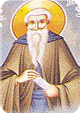
Άγιος Ιώβ της Ούγκλεα († 15/28 Ιουλίου 1985), ένας νέος άγιος με άφθαρτο λείψανο


Μετάφραση - επιμέλεια π. Γεώργιος Κονισπολιάτης / proskynitis
 
Ο Άγιος Ιώβ (κατά κόσμον Ιωάννης Κόντρεα) γεννήθηκε στο Χούστ στις 18 Μαίου 1902 (σ.σ.: στην Υποκαρπάθια Ρουθηνία. Πρόκειται για μια περιοχή που βρίσκεται Ν.Δ.της Σλοβακίας, ανατολικά της Ουγγαρίας, βόρεια της Ρουμανίας και δυτικά της Ουκρανίας. Από τον 10ο αιώνα μέχρι το 1918 ανήκε στο Βασίλειο της Ουγγαρίας, έπειτα έγινε μέρος της Τσεχοσλοβακίας, ενώ μετά το 1945 έγινε μέρος της Ε.Σ.Σ.Δ. Σήμερα ανήκει στην Ουκρανία).


Γεννήθηκε σε μια οικογένεια πιστών ορθοδόξων χριστιανών. Ο πατέρας του Γεώργιος ήταν ρουμανικής καταγωγής, ενώ η μητέρα του Άννα ήταν Ρουθήνια.
Στα μέρη που γεννήθηκε ο Άγιος Ιώβ η Ορθοδοξία ήταν απαγορευμένη, αφού οι Ουνίτες Αυστροούγγροι εδίωκαν και βασάνιζαν τους Ορθοδόξους.
Μετά τον στρατό προσπάθησε δύο φορές να πάει στην Μονή του Αγ. Παντελεήμονος του Αγίου Όρους, αλλά δεν τα κατάφερε.
Μετά το τέλος του Α' Παγκ. Πολέμου άρχισαν να χτίζονται στην περιοχή τα πρώτα μοναστήρια. Στο χωριό Ίζα έφτιαξε την σκήτη της Αγίας Τριάδος. Με την συνθήκη της Βιέννης όμως το 1938 ένα κομμάτι της Υποκαρπάθιας Ρουθηνίας παραχωρείται στους εχθρικούς προς την Ορθοδοξία Ούγγρους.
Ο π. Ιώβ αρνείται να τους υποταχθεί και καταφεύγει στην (αθεϊστική) Ρωσία. Τον κατηγορούν για κατασκοπεία και καταδικάζεται σε 5 χρόνια φυλάκιση σε στρατόπεδο συγκέντρωσης, όπου πέρασε από πολλά βασανιστήρια και πολλές φορές βρέθηκε ένα βήμα πριν από τον θάνατο.


Επιστρέφει στα πάτρια εδάφη και το 1945 χειροτονείται ιεροδιάκονος, ενώ το 1946 χειροτονήθηκε ιερομόναχος.Το 1947 γίνεται ηγούμενος της προαναφερθείσας σκήτης της Αγίας Τριάδος.


Σταδιακά πλήθος ανθρώπων απ΄ όλη την Ουκρανία και την Ρωσία άρχισαν να επισκέπτονται τον ταπεινό και πνευματοφόρο γέροντα, ο οποίος είχε το προορατικό και διορατικό χάρισμα και τελούσε πολλά θαύματα.
Μέχρι το 1960 τη σκήτη του και όλα τα μοναστήρια της περιοχής τα έκλεισαν.
Το 1960 τον βρίσκουμε να λειτουργεί στο χωριό Ούγκλεα, ενώ από το 1962 και μέχρι τον θάνατό του υπηρέτησε στον ναό του Αγίου Δημητρίου στο χωριό Μαλάια Ουγκόλκα περιοχή Τιάτσεβ. Εδώ συνεχίζονται τα θαύματα και χιλιάδες ανθρώπων με διάφορα προβλήματα τον επισκέπτονται.


Τον Άγιο Ιωβ επισκεπτόνταν συχνά επίσκοποι και ιερείς αλλά και διάσημοι καθηγητές και ακαδημαικοί.  Παρότι ίσα-ίσα ήξερε να γράφει, απαντούσε σε όλες τις ερωτήσεις τους. Επίσης ήταν και μεγάλος εξορκιστής. Είναι πολλές οι μαρτυρίες περί τούτου.
Εξαιτίας του μεγάλου αριθμού επισκεπτών τελούσε τον μοναχικό του κανόνα ("Ν": δηλ. τις προσωπικές του προσευχές και εκκλησιαστικές ακολουθίες) νύχτα. Στα σαράντα χρόνια της ιερωσύνης του λειτουργούσε καθημερινά. Μόνο τρεις φορές δεν λειτούργησε. Ήταν μεγάλος νηστευτής και πολύ φιλόξενος.
Ο Άγιος ήταν πράος, όχι μόνο με τους ανθρώπους αλλά και με τα ζώα. Πάντοτε τάιζε τα πουλιά και έδινε καρύδια στα σκιουράκια. Τα πουλιά βλέποντάς τον από μακριά πάντοτε πετούσαν κοντά του.


Ο Άγιος Ιώβ εκοιμήθη στις 15/28 Ιουλίου 1985 ("Ν": με παλαιό / νέο ημερολόγιο αντίστοιχα). Η κηδεία έγινε στις 31 Ιουλίου. Την ώρα της ακολουθίας ένα μεγάλο πουλί, άσπρο σαν το χιόνι, πέταξε πάνω απο όλους και κάθισε τρεις φορές στον ώμο της ανηψιάς του. Μετά κάθισε στο πρεσβυτέριο, έκανε τρεις φορές τον γύρω της εκκλησίας και πήγε στο Ιερό. Όταν το σώμα του βγήκε από τον ναό ένα σμήνος πουλιών κατευθύνθηκε προς το φέρετρο. Μετά τον θάνατό του ετέλεσε πολλά θαύματα.
Στις 22 Οκτωβρίου 2007 το λείψανό του βρέθηκε άφθαρτο, ενώ ανέδιδε ενα θαυμάσιο άρωμα φρεσκοκομμένων λουλουδιών.


sfantuliovdinuglea


Δείτε και:

Άγιος Αμφιλόχιος του Ποτσάεβ († 1971) με άφθαρτο λείψανο 

Η θαυμαστή αφθαρσία του αγίου Αλεξάνδρου του Σβιρ
Άφθαρτο το λείψανο του αγίου Γέροντα της Ρουμανίας και Ομολογητή των ρουμανικών αθεϊστικών φυλακών Γεωργίου Καλτσίου
Η Ορθοδοξία στην Κεντρική Ευρώπη
Ουνία
Γεροντάδες & "κρυφοί" ασκητές στη Ρουμανία
Ο Γέροντας Ιωνάς της Οδησσού (Ουκρανίας)
Η τεχνητή αφθαρσία των βουδιστών μοναχών και το μήνυμα του άφθορου λάμα Hambo Itigelov
Γίνε κι Εσύ Πολεμιστής του Φωτός

Δευτέρα 9 Ιουνίου 2014

Ορθοδοξία Δυτικού Τυπικού: μια "Ορθόδοξη Ουνία";


Εδώ και χρόνια, κάποιες Ορθόδοξες Εκκλησίες έχουν αναγνωρίσει σε δυτικές χώρες ορισμένες ενορίες, που διατηρούν το δυτικό χριστιανικό τυπικό, δηλαδή έχουν δυτικά άμφια των ιερέων και λειτουργίες δυτικές και όχι τις γνωστές μας βυζαντινές ορθόδοξες.
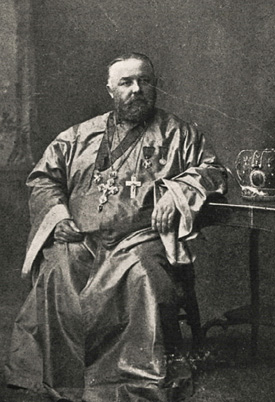
Στη φωτογραφία βλέπετε τον επίσκοπο Ιερώνυμο του Manhattan, των Ορθοδόξων Δυτικού Τυπικού, που είναι μεταστραφείς στην Ορθοδοξία από τον Αγγλικανισμό, ειδικός λειτουργιολόγος, ειδικευμένος στη μελέτη τόσο της δυτικής όσο και της ανατολικής θείας λειτουργίας.
Αυτή η Ορθοδοξία Δυτικού Τυπικού (όπως ονομάζεται) κατηγορείται από άλλους - ιδίως ρωμαιοκαθολικούς, που βρίσκουν έδαφος να ελαφρύνουν την ευθύνη του παπισμού για την Ουνία - ως "Ορθόδοξη Ουνία". Ωστόσο, δεν έχουν δίκιο. 

Η διαφορά της Ορθοδοξίας Δυτικού Τυπικού από την Ουνία: Οι Ορθόδοξοι Δυτικού Τυπικού γνωρίζουν και διακηρύσσουν ευθέως ότι είναι ορθόδοξοι χριστιανοί, μεταστραφέντες κανονικά στην Ορθοδοξία από τις χριστιανικές ομάδες, στις οποίες ανήκαν προηγουμένως. Αντίθετα, οι ουνίτες (τουλάχιστον κατά το παρελθόν, γιατί σήμερα μάλλον έχει αμβλυνθεί αυτό) εμφανίζονταν ως ενωτικοί ορθόδοξοι (Unia = ένωση), που αναγνώριζαν τον Πάπα ως κεφαλή της παγκόσμιας Εκκλησίας. Οι ουνίτες δηλαδή ήταν "ορθόδοξοι υπό τον Πάπα" κι αυτό έχει καταγραφεί στην ιστορία ως απόπειρα παραπλάνησης ορθόδοξων πληθυσμών, ώστε να πέσουν στην αγκαλιά του παπισμού "παραμένοντας ορθόδοξοι".
Συχνά επίσης, σε περασμένους αιώνες, η ουνία προωθήθηκε σε λαούς της Κεντρικής Ευρώπης από τις πολιτικές ηγεσίες τους και, όσοι ορθόδοξοι ιερείς ή και λαϊκοί αρνούνταν να προσχωρήσουν σ' αυτήν, υφίσταντο βία, όπως σε Πολωνία και Ρουμανία. Η Ορθοδοξία Δυτικού Τυπικού, αντίθετα, ουδέποτε είχε ή έχει πολιτική προέκταση. Αποτελεί τον καρπό της επιθυμίας δυτικών χριστιανών να διατηρήσουν την πολιτισμική τους ιδιοπροσωπία εντός της Ορθοδοξίας (όχι ως έτυχε, αλλά ανατρέχοντας στην ορθόδοξη κληρονομιά των προγόνων τους), αντί να υιοθετήσουν ανατολικά εκκλησιαστικά χαρακτηριστικά. Προσωπικά, κάτι τέτοιο (χωρίς να το εξιδανικεύω) το θεωρώ θεμιτό και μάλιστα επιθυμητό, γιατί η Ορθοδοξία δεν αποτελεί οδοστρωτήρα.

Οι ρίζες της Ορθοδοξίας Δυτικού Τυπικού - Οι προσπάθειες ανοικοδόμησης μιας Δυτικής Ορθόδοξης Εκκλησίας (από εδώ)

Στοιχεία για το άρθρο λήφθηκαν από: http://en.wikipedia.org/wiki/Western_Rite_Orthodoxy (όπου μια εκτενής παρουσίαση της Ορθοδοξίας Δυτικού Τυπικού, με τα "υπέρ" και τα "κατά").


Γύρω στην δεκαετία του 1840, ο αιδεσ. Ουίλιαμ Πάλμερ αλληλογραφούσε με τον Μητροπολίτη Άγιο Φιλάρετο της Μόσχας, και τον π. Αλέξιο Στεφάνοβιτς Χομιάκοφ. Ο αρχικός λόγος για την αλληλογραφία ήταν για να μελετηθεί η ίδρυση μιας Δυτικής Ορθοδόξου Εκκλησίας στην Αγγλία. Το εγχείρημα δεν πραγματοποιήθηκε, λόγω έλλειψης οικονομικής υποστήριξης.

Η νεώτερη επανεμφάνιση του Δυτικού Ορθοδόξου Τυπικού έδωσε τους πρώτους καρπούς της το 1864 με την εργασία του πρώην Ρ/Καθολικού ιερέα Ιουλίου Ιωσήφ Όβερμπεκ. Ο Όβερμπεκ είχε εγκαταλείψει την ιερωσύνη, μετεστράφη στον Λουθηρανισμό και νυμφεύθηκε, αν και είναι αβέβαιο αν ποτέ λειτούργησε ως Λουθηρανός πάστορας.

Μετανάστευσε στην Αγγλία το 1863, για να γίνει καθηγητής Γερμανικών στην Βασιλική Στρατιωτική Ακαδημία. Εκεί σπούδασε την Αγγλικανική "Εκκλησία" και την Ορθοδοξία. Φτάνοντας στο συμπέρασμα πως και ο Παπισμός και ο Αγγλικανισμός βρίσκονται στο χείλος της κατάρρευσης, ο Όβερμπεκ έγινε δεκτός στην Ορθόδοξη Εκκλησία στην Ρωσική Πρεσβεία στο Λονδίνο από τον π. Ευγένιο Ποπόφ, τον Ιερέα της Πρεσβείας, το 1865. Ο Όβερμπεκ έγινε δεκτός ως λαϊκός.

Σαν μέρος της μεταστροφής του στην Ορθόδοξη Εκκλησία, ο Όβερμπεκ είχε ζητήσει την άδεια της Συνόδου της Ρωσικής Ορθοδόξου Εκκλησίας να ξεκινήσει μια Δυτική Ορθόδοξη Εκκλησία στην Αγγλία.

Αρχικά, ο Μητροπολίτης Φιλάρετος είχε διστάσει με το αίτημα του Όβερμπεκ, όμως δεν απέκλεισε εντελώς την ιδέα. Ο Όβερμπεκ ανέλυσε την λογική του για μια Δυτική Ορθόδοξη Εκκλησία μέσα στο βιβλίο του (1866) "Καθολική Ορθοδοξία και Αγγλο-Καθολικισμός" - έργο κατ' εξοχήν πολεμικό που περιγράφει γιατί οι ντοπιες Δυτικές εκκλησίες θα έπρεπε να απορριφθούν. Το 1867 ο Όβερμπεκ άρχισε επίσης να δημοσιεύει την "Ορθόδοξη Καθολική Επιθεώρηση", περιοδικό για την προώθηση της Δυτικής Ορθοδοξίας.

Ο Όβερμπεκ ξεκίνησε επίσης να πείθει και άλλους για το εφικτό μιας Δυτικής Ορθοδόξου Εκκλησίας και τελικά μπόρεσε να υποβάλει αίτημα με 122 υπογραφές - οι περισσότερες από Τρακταριανούς * - στην Ιερά Σύνοδο το 1869, ζητώντας την δημιουργία ενός Δυτικού Τυπικού. Μια Συνοδική επιτροπή εξελέγη για να ερευνήσει το ζήτημα, και είχε προσκληθεί ο Όβερμπεκ να παρουσιάσει την άποψή του ενώπιον της επιτροπής στην Αγ.Πετρούπολη το 1870. Η ιδέα του Όβερμπεκ έτυχε της εγκρίσεως της επιτροπής και του δόθηκε η εντολή να παρουσιάσει μια αναθεωρημένη Δυτική Λειτουργία για να εκτιμηθεί από την επιτροπή, πράγμα που έκανε τον Δεκέμβριο εκείνου του έτους, και που στη συνέχεια ενεκρίθη για χρήση - συγκεκριμένα στις Βρετανικές Νήσους.

Τα επόμενα αρκετά χρόνια ξοδεύτηκαν στην περαιτέρω ανάπτυξη των Δυτικών λειτουργιών για την τέλεση των υπόλοιπων Μυστηρίων καθώς και για την αναπομπή των προσευχών της Θείας Λειτουργίας. Ο Όβερμπεκ επίσης έκανε προσπάθειες να προσελκύσει Παλαιοκαθολικούς στο σχέδιό του, αφού μόλις πρόσφατα είχαν αποσχισθεί από την Ρωμαιοκαθολική Εκκλησία εξ αιτίας του ορισμού του Παπικού αλάθητου από την 1η Βατικάνειο Σύνοδο, αλλά μάταια. Κατά το διάστημα αυτό συνέχιζε να κριτικάρει τους Ρωμαιοκαθολικούς και Αγγλικανούς, καθώς και εκείνους τους μεταστραφέντες στην Ορθοδοξία οι οποίοι χρησιμοποιούσαν το Βυζαντινό Τυπικό.

Το 1876 ο Όβερμπεκ άρχισε να κάνει εκκλήσεις σε άλλες Ορθόδοξες Εκκλησίες για την αναγνώριση του σχεδίου του. Το 1879 τον δέχθηκε σε ακρόαση ο Πατριάρχης Κων/πόλεως Ιωακείμ Γ', ο οποίος αναγνώρισε το θεωρητικό δικαίωμα των Δυτικών Χριστιανών να έχουν μια Δυτική Ορθόδοξη Εκκλησία. Τρία χρόνια αργότερα, ο Οικουμενικός Πατριάρχης και η Σύνοδος έδωσαν προσωρινή έγκριση για το Δυτικό Τυπικό και για τις λειτουργίες των Βενεδικτίνων. Όμως οι προσπάθειες του Όβερμπεκ εντέλει δεν κατέληξαν σε ίδρυση μιας Δυτικής Ορθοδοξίας.

Το περιοδικό "Ορθόδοξη Καθολική Επιθεώρηση" εξέδωσε το τελευταίο τεύχος του το 1885 και ο Όβερμπεκ απεβίωσε το 1905 χωρίς να δει να εκπληρώνεται η Δυτική Ορθόδοξη Εκκλησία. Ο Γεώργιος Φλωρόφσκυ συνόψισε την εμπειρία του Όβερμπεκ με τον ακόλουθο τρόπο: "Δεν ήταν απλώς ένα φανταστικό όνειρο. Το ζήτημα που εγέρθηκε από τον Όβερμπεκ ήταν εύλογο, ακόμα και αν η πρότασή του είχε συλληφθεί συγκεχυμένα. Και πιθανότατα το όραμα του Όβερμπεκ να ήταν μεγαλύτερο και από την προσωπική του ερμηνεία".

Το 1898, η Ιερά Σύνοδος της Ρωσίας οργάνωσε επισκοπή στην Τσεχοσλοβακία χρησιμοποιώντας το Δυτικό Τυπικό. Σημερα, υπάρχουν Ορθόδοξοι Δυτικού Τυπικού και υπό το Πατριαρχείο Αντιοχειας.


*******

* Τρακταριανοί: Οι Tractarians (ή αλλιώς "Η κίνηση της Οξφόρδης" στην Αγγλία) λέγονται στα ελληνικά Τρακταριανοί. Πίστευαν ότι ο σύνδεσμος με το κράτος είναι βλαβερός, ότι η Αγγλικανική εκκλησία είχε χάσει την αίσθηση της θείας καταγωγής της, της αποστολής και της αυθεντίας της. Επειδή εκτός από τα κηρύγματα χρησιμοποιούσαν και φυλλάδια που μοίραζαν στο λαό, γι' αυτό ονομάστηκαν και Tractarians, (Tracts=φυλλάδια, μικρές διατριβές). Ήθελαν να τονίσουν τη μία αγία καθολική εκκλησία και την αποστολική διαδοχή των επισκόπων για χάρη της οποίας έλεγαν ότι οι επίσκοποι πρέπει να είναι έτοιμοι και να θυσιαστούν ακόμη.
Ζητούσαν επίσης την αναγέννηση παραδοσιακών συνηθειών, όπως της νηστείας, της αγαμίας του κλήρου, του σεβασμού και της τιμής των αγίων και την ερμηνεία των 39 άρθρων με παραδοσιακό πνεύμα. Τη σωτηρία πετυχαίνει ο άνθρωπος, δίδασκαν, με τη μετάληψη του σώματος και του αίματος του Χριστού στη θ. Ευχαριστία που είναι έγκυρη, όταν μεταδίδεται από τους ιερείς που έχουν αποστολική διαδοχή (για περισσότερα δείτε: Αναστασίου Ιωάννης, 'Εκκλησιαστική Ιστορία', τόμ. Β΄. 'ΙΑ΄ αιώνας μέχρι σήμερα', Επίκεντρο, Θεσσαλονίκη 1982, σελ. 509).

Για περισσότερα 


The Western Rite and the Eastern Church
http://westernorthodox.info/
http://en.wikipedia.org/wiki/Western_Rite_Orthodoxy


Περί Ουνίας

Το βιβλίο του π. Γ. Μεταλληνού "Ουνία: πρόσωπο και προσωπείο"
Ενότητα περί Ουνίας στον ιστοχώρο της Ιεράς Μονής Παντοκράτορος
Ενότητα περί Ουνίας στο blog μας

Και:

Οι Ορθόδοξες ρίζες της Δύσης ως παράγοντας πανευρωπαϊκής ενότητας 
Στα ίχνη του αρχαίου (ορθόδοξου) κέλτικου μοναχισμού
Ορθόδοξοι άγιοι στις χώρες της Δύσης
Ορθόδοξοι άγιοι της Δύσης
Ιστολόγιο για την Ορθοδοξία στις Βρετανικές Νήσους
Οι ορθόδοξοι άγιοι που ευαγγέλισαν τη δυτική Ευρώπη και τη Σκανδιναβία 
Biographies (Saints & Elders)
Orthodox England
Western Orthodox

Πέμπτη 5 Σεπτεμβρίου 2013

Τον τουφέκισαν μπροστά στα μάτια των γονιών του

Άγιος Νεομάρτυς Μάξιμος Σάντοβιτς (+6 Σεπτεμβρίου 1914)

ΠΡΟΣΚΥΝΗΤΗΣ

In English: Orthodox Carpatho-Russia: The People From Nowhere

Ο άγιος Μάξιμος γεννή­θηκε το 1886 στο χω­ριό Ζντένια της Καρπαθορωσίας (Ρουθηνίας), στα ση­μερινά σύνορα Πολωνίας και Σλοβακίας, ή οποία πριν από τον Α’ Παγκόσμιο πό­λεμο υπαγόταν στην Αυ­στροουγγαρία. Από τα παι­δικά του χρόνια διακρινό­ταν για την πολλή του ευ­σέβεια. Στο κολέγιο σηκω­νόταν πολύ πρωί, για να διάβαση στο δωμάτιο του την ακολουθία του όρθρου και να ψάλει διάφορα τρο­πάρια. Ο πόθος του ήταν να γίνει ιερεύς ή μοναχός. Για αυτό, μόλις τελείωσε τα γυμνασιακά μαθήματα, εισ­ήλθε ως δόκιμος σε ουνιτικό μοναστήρι της γενέτειρας του ["Ν": για το τι είναι η Ουνία, παρακαλώ μπείτε εδώ]. Απογοητευμένος όμως από τον τρόπο ζωής της αδελφότητας, υστέρα από τρεις μήνες έφυγε κρυφά και μετέβη στην λαύρα του Ποτσάεφ της Βολυνίας (δυ­τική Ουκρανία), που ήταν γνωστή τόσο για το αυ­στηρό τυπικό και την πνευ­ματικότητα της, όσο και για την μαρτυρία της Ορθοδοξίας.

Ενώ ήταν ακόμη δόκι­μος, ο μητροπολίτης Κιέβου και Γαλικίας Αντώνιος Χραποβίτσκυ (1863-1936 ["N": πρώτος ιεράρχης της Ρωσικής Εκκλησίας της Διασποράς]) επι­σκέφθηκε την λαύρα και ζή­τησε από τον ηγούμενο ένα δόκιμο, με σκοπό να τον χει­ροτόνηση ιερέα, για να εξυπηρετεί τις κοινότητες των Καρπαθίων ορθοδόξων, πρώ­ην Ουκρανών ουνιτών. 
Ο κλήρος έπεσε στον Μάξιμο. Εγκατέλειψε κατ’ ανάγκην την επιθυμία του να μονάσει και ακολούθησε τον μη­τροπολίτη. Παρακολούθησε το ορθόδοξο σεμινάριο στο Ζιτομίρ και μετά τον γάμο του με Λευκορωσίδα ο σεβασμιότατος Αντώνιος τον χειροτόνησε ιερέα (1911). Αναλαμβάνοντας αμέσως τα ποιμαντικά του καθήκον­τα, επέστρεψε στην πατρίδα του και τέλεσε στο Κράμπ, κοντά στο χωριό του, την πρώτη ορθόδοξη λειτουρ­γία μετά την επιβολή της Ουνίας στην Καρπαθορωσία (18ος αι.). Όταν επισκέ­φθηκε το πατρικό του σπί­τι, συνελήφθη και καταδι­κάσθηκε σε βαρύ πρόστιμο και οκτώ ημέρες φυλάκιση. Ο π. Μάξιμος, ανυποχώρη­τος, μετά την αποφυλάκιση συνέχισε τις λειτουργίες στα γειτονικά χωριά. 


Η θαρραλέα του στάση έγινε αφορμή να καταδικασθεί και ο ίδιος αλλά και οι πιστοί που τον βοηθούσαν. Τον Μάρτιο του 1912 μετα­φέρθηκε αλυσοδεμένος σε φυλακή του Λβώφ και επί δύο χρόνια περνούσε από αλλεπάλληλες ανακρίσεις, με την κατηγορία ότι ήταν ορθόδοξος, ότι χρησιμοποι­ούσε εκκλησιαστικά βιβλία γραμμένα στα ρωσικά και ότι συνεργαζόταν με τους Ρώσους, εχθρούς των Αυστριακών. Παρά τις ψευδείς κατηγορίες που εξαπέλυαν εις βάρος του, τον Ιούνιο του 1914 αθωώθηκε και αυ­τός και ή συνοδεία του και επέστρεψε στο χωριό του με κλονισμένη υγεία από τις κακοποιήσεις, την απομόνωση και τα παντός εί­δους μαρτύρια. 


Τον Αύγουστο, παρα­μονή του Α’ Παγκοσμίου πολέμου, συνελήφθη πάλι, αυτήν την φορά με την εγ­κυμονούσα σύζυγο του, τους γονείς του και ορθόδοξους συγχωριανούς του. Με ύβρεις σύρθηκαν όλοι α­λυσοδεμένοι στις φυλακές του Γκόρλιτσε. Στις 6 Σε­πτεμβρίου 1914 τον έβγα­λαν από το κελλί του και του ανακοίνωσαν, χωρίς εξ­ηγήσεις, ότι είχε καταδικασθεί σε θάνατο. Καθώς του έδεναν τα χέρια και τα μά­τια, είπε ήρεμα: «Δεν χρειά­ζεται· δεν πρόκειται να φύ­γω». Τον τουφέκισαν στην εσωτερική αυλή της φυλα­κής, μπροστά στα μάτια των γονέων του. Ο μάρτυς πρόφθασε να φωνάξει «Ζή­τω η Ορθοδοξία!» και έπε­σε στο πλακόστρωτο. Έ­νας από τους φονείς του τον πλησίασε και τον απο­τελείωσε με τρεις ριπές, που τίναξαν τα μυαλά του στους τοίχους της φυλακής.
Το 1922 η λάρνακα με το λείψανο του μεταφέρθηκε στο χωριό του Ζντένια και εντα­φιάσθηκε δίπλα στην εκ­κλησία. Έκτοτε ο τάφος του προσελκύει πολλούς προσκυνητάς και ή τιμή του ως αγίου εξαπλώθηκε μεταξύ των ορθοδόξων Καρπαθορώσων, ακόμη και μετά τον εκπατρισμό αυτού του λαού, για τον οποίο ο άγιος Μάξιμος έγινε το σύμβολο της εθνικής και θρησκευτι­κής του ταυτότητος. 


Τοις αυτού πρεσβείαις, Χριστέ ο Θεός, ελέησον ημάς. Αμήν. 

Υπάρχουν κι άλλοι νεομάρτυρες θύματα της Ουνίας. Σχετική ενότητα στο ιστολόγιό μας εδώ.

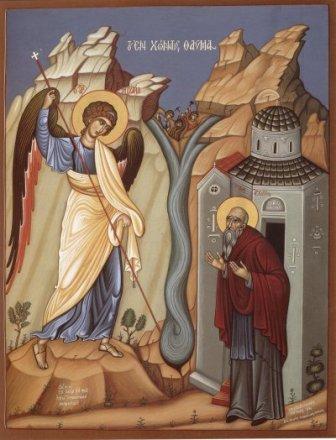
Την ίδια μέρα (6 Σεπτ.): Ο άγγελος και το ποτάμι (το θαύμα του αρχαγγέλου Μιχαήλ στις Χώνες της Μ. Ασίας)

Δευτέρα 1 Απριλίου 2013

Λιθουανία: το ορθόδοξο μοναστήρι του Αγίου Πνεύματος στη Βίλνα και οι άγιοι μάρτυρες Αντώνιος, Ιωάννης και Ευστάθιος (27 Απριλίου και 26 Ιουλίου)


ΠΡΟΣΚΥΝΗΤΗΣ

Οι τρεις Άγιοι μάρτυρες τελειώθηκαν κατά τη ηγεμονία του Μεγάλου Δούκα της Λιθουανίας Ολγκέρντ γύρω στο 1347. Ο Αντώνιος και ο Ιωάννης ήταν αυλικοί του Μεγάλου Δούκα και όπως η πλειοψηφία των Λιθουανών τότε, ήταν ειδωλολάτρες. Τα δύο αδέλφια όμως βαπτίστηκαν κρυφά από τον Ορθόδοξο ιερέα Νέστωρα. 

Άρχισαν από τότε να ζουν μια χριστιανική ζωή και να απέχουν από τις ειδωλολατρικές συνήθειες. Όταν κάποια φορά τους ζητήθηκε από τον Δούκα να καταλύσουν κρέας ημέρα Παρασκευή, παραμονή Χριστουγέννων, αυτοί αρνήθηκαν και αυτός τους έριξε σ’ ένα μπουντρούμι. Ύστερα από ένα χρόνο φυλάκισης, ο μικρότερος αδελφός, ο Ιωάννης δέχθηκε να ακολουθήσει τις ειδωλολατρικές συνήθειες και απελευθερώθηκε. Ο Δούκας χάρηκε πάρα πολύ και απελευθέρωσε και τα δύο αδέλφια αποκαθιστώντας τα στις προηγούμενες ειδωλολατρικές τους κοινωνικές θέσεις. Ωστόσο, ο Αντώνιος εξακολούθησε να ομολογεί την Ορθοδοξία και φυλακίστηκε και πάλι. 


Ο Ιωάννης παρέμεινε στην αυλή του Δούκα. Ωστόσο κατάλαβε την αμαρτία του, μετανόησε και ομολόγησε την ορθόδοξη πίστη. Τότε τον κτύπησαν πολύ άσχημα και τον έριξαν και πάλι στη φυλακή. Πολλοί άνθρωποι βλέποντας την ζέουσα πίστη των δύο μαρτύρων και τα βάσανά τους ασπάσθηκαν τον Χριστιανισμό. Αυτό εξόργισε τους ειδωλολάτρες ιερείς, οι οποίοι ζήτησαν από το Μεγάλο Δούκα να τους θανατώσει. 

Το 1347 κρέμασαν τον Αντώνιο στα περίχωρα της πόλης. Αργότερα ο Δούκας διέταξε την εκτέλεση και του Αγίου μάρτυρα Ιωάννη. Ο Ευστάθιος ήταν συγγενής των δύο μαρτύρων και βλέποντας την πίστη τους ασπάστηκε την Ορθοδοξία και βαπτίστηκε και αυτός. Ομολόγησε δημόσια την πίστη του και γι’ αυτό βασανίστηκε φρικτά. Στις 13 Δεκεμβρίου του 1347 κρέμασαν τον Ευστάχιο πάνω στο ίδιο δένδρο όπου μαρτύρησαν οι Αντώνιος και Ιωάννης. 


Το 1374 οι τρείς μάρτυρες αγιοποιήθηκαν. Η μνήμη τους εορτάζεται στις 27 Απριλίου ενώ στις 26 Ιουλίου εορτάζεται η επιστροφή των Αγίων λειψάνων τους από τη Μόσχα στο μοναστήρι του Αγίου Πνεύματος στη Βίλνιους.

Η εκκλησία και το μοναστήρι του Αγίου Πνεύματος κτίστηκαν το 1597 με δαπάνες του χριστεπώνυμου πληρώματος της Βίλνιους.

Με την υπογραφή της βασιλικής διαταγής το 1609 σύμφωνα με την οποία όλες οι ορθόδοξες εκκλησίες υπάγονται στη δικαιοδοσία του Μητροπολίτου της Ουνιτικής Εκκλησίας, μέλη της ορθοδόξου Εκκλησίας κατάφεραν να διασφαλίσουν τα δικαιώματά τους και έτσι η Εκκλησία και το μοναστήρι του Αγίου Πνεύματος είναι τα μοναδικά εκκλησιαστικά ιδρύματα της Βίλνιους που παρέμειναν στην ορθόδοξη εκκλησία. 


Το 1634 η ξύλινη εκκλησία αντικαταστάθηκε με πέτρινη. Ο κυρίως ναός αφιερώθηκε στην επιφοίτηση του Αγίου Πνεύματος στους Αποστόλους ενώ τα δύο παρεκκλήσια στον Άγιο Ιωάννη το Θεολόγο και στους Αγίου Ισαποστόλους Κωνσταντίνο και Ελένη.
Η Εκκλησία ανοικοδομήθηκε πολλές φορές από τότε εξ αιτίας πυρκαγιών και άλλων αναταράξεων που έσεισαν την ορθοδοξία και τη Λιθουανία.


Δείτε και:
Η αγία Χαριτίνη η Λιθουανή
Κεντρική Ευρώπη (ενότητα) 

Τρίτη 10 Ιουλίου 2012

Ο Άγιος Αθανάσιος του Μπρεστ Πολωνίας (25 Ιουλίου 1648)


Τι είναι η Ουνία
 
ΑΠΟ ΕΔΩ

Η λέξη Ουνία προέρχεται εκ της Πολωνολατινικής λέξεως Unia που σημαίνει την ένωση και χρησιμοποιήθηκε γιά πρώτη φορά στην Πολωνία, όπου οι Ιησουΐτες συνέλαβαν και εφήρμοσαν σχέδιο γιά την ένωση των Ορθοδόξων μετά της Παπικής αιρέσεως. Η ίδια προσπάθεια επεξετάθη αργότερα στους Κόπτες, τους Νεστοριανούς, τους Χριστιανούς του Μαλαμπάρ, τους Μαρωνίτες και γενικώς σε όλους τους χριστιανούς οι οποίοι δεν ακολουθούσαν τον Πάπα. Η ένωση γιά τον παπισμό είναι το πρόσχημα. Ο αληθής σκοπός της Ουνίας είναι η υποταγή των πάντων στον Πάπα.
["Ν": Ουνίτες υπάρχουν και στην Ελλάδα ("Ελληνόρρυθμοι Καθολικοί"). ΕΥΧΗ ΜΑΣ να ανακαλύψουν τις ορθόδοξες ρίζες τους, όπως αυτοί και αυτοί]

Ο βίος του Αγίου Αθανασίου του Μπρεστ


Ο  Άγιος Αθανάσιος του ΜπρεστΟ άγιος Αθανάσιος του Μπρεστ της Πολωνίας έ­ζησε στην εποχή που πραγματοποιήθηκε η απόφαση της Ουνίας για ένωση μεταξύ της Ορθοδόξου Εκκλη­σίας και της Ρωμαιοκαθολικής εκκλησίας το 1596. Αυτή έγινε με την εξουσία και την βία και την βοή­θεια του πολωνικού κράτους. Όσοι έμειναν πιστοί στην ορθόδοξη πίστη υπέφεραν πολλούς και διαφό­ρους διωγμούς. Αυτό είχε σαν αποτέλεσμα οι ορθόδο­ξοι να φύγουν στα άγρια μέρη της χώρας, ή ενώνο­νταν σε ορθόδοξες ομάδες κάτω από την προστασία λίγων αριστοκρατικών ορθοδόξων. Οι περισσότεροι από τους πλουσίους πέρασαν στον Ρωμαιοκαθολικισμό, επειδή είχαν μεγάλα προνόμια και περισσότερη ελευθερία από το κράτος. Στην επιβουλή της Ουνίας εργάστηκαν τα Ιησουιτικά σχολεία, δηλαδή τα φανα­τικά τάγματα της Ρωμαιοκαθολικής εκκλησίας.
Οι ορθόδοξοι κάτοικοι της πόλεως Μπρεστ άρχι­σαν να δημιουργούν εκκλησιαστικές κοινότητες με σκοπό την υπεράσπιση της Ορθοδοξίας, επειδή τα α­νώτερα πρόσωπα της Ορθοδόξου Εκκλησίας τα κα­θόριζε ο κράλης της Πολωνίας, δεν είχαν σταθερή πί­στη, ζούσαν με κοσμικό τρόπο, δεν μπορούσαν να α­ντιδράσουν στην βούληση της κρατικής εξουσίας, αλλά και με την θέλησή τους βοηθούσαν για την πραγ­ματοποίηση των σκοπών της Ουνίας. Αυτοί οι ιεράρχες υπέγραψαν την παράνομη Ουνία το 1596 στο Μπρεστ.

Ο Άγιος Αθανάσιος γεννήθηκε αυτήν την εποχή το 1597 στο Μπρεστ. Η οικογένειά του ήταν μέλος της Ορθόδοξης Κοινότητος Μπρεστ. Ο Αθανάσιος έλαβε υψηλή μόρφωση, έμαθε ρωσικά, πολωνικά, ελ­ληνικά και λατινικά. Σε ηλικία 30 χρόνων ήρθε στο Μοναστήρι του Αγίου Πνεύματος στο Βίλνο, και από εκεί τον μετέφεραν στο μοναστήρι Κουπιάτσκι. Στο δρόμο ο Αθανάσιος συνάντησε ένα ανάπηρο, τον πή­ρε στην πλάτη του, και αυτός τον εδίδαξε την νοερά αδιάλειπτη προσευχή του Χριστού. Στο μοναστήρι Κουπιάτσκι υπήρχε θαυματουργή εικόνα της Πανα­γίας, η οποία εμφανίστηκε σ' αυτόν τον τόπο το 1182. Αυτή η θαυματουργός εικόνα της Παναγίας είχε διαδραματίσει μεγάλη επίδραση στην ζωή του Οσίου Α­θανασίου. Μία φορά άκουσε ο άγιος φωνή από την ει­κόνα της Παναγίας που τον είπε να πάει στην Μόσχα για να πάρει από τον αυτοκράτορα της Ρωσίας βοή­θεια, όπως και έγινε. Όταν γύρισε από την Μόσχα κατά παράκληση των αδελφών της Μονής έγινε ηγού­μενος στο Μοναστήρι του Αγίου Συμεών στο Μπρεστ.

Το 1647 επήγε στην Βαρσοβία, στον κράλη της Πολωνίας Βλαδισλάβ και με τις προσπάθειές του επέ­τυχε να δοθούν όλα τα προνόμια στις ορθόδοξες κοι­νότητες του Μπρεστ, ως και την εξασφάλιση της ε­λευθερίας της Ορθοδόξου Εκκλησίας. Στο γράμμα ό­μως του Κράλη οι τοπικές αρχές του Μπρεστ απήντη­σαν: Να γίνετε όλοι ουνίτες και τότε όλα θα κάνουμε δωρεάν. Η ανώτατη ορθόδοξη ιεραρχία της Βαρσο­βίας δεν ενδιαφέρθηκε για την υπόθεση αυτή. Ο Αθα­νάσιος μόνος, με στενοχώρια και λύπη προσευχόταν στο Θεό. Μια φορά και ενώ ο Όσιος διάβαζε τον Α­κάθιστο ύμνο άκουσε φωνή της Παναγίας, που έλεγε: Αθανάσιε πήγαινε και έλεγξε τώρα, την δικαιοσύνη στην Βουλή, με την βοήθεια της δικής μου εικόνας Κουπιατίσκοϊ, ομιλώντας για την δίκαιη τιμωρία του Θεού, που θα έρθει, εάν δεν αλλάξει πολιτική κατά της Ορθοδόξου Εκκλησίας. Ας καταδικάσουν πρώτα απ' όλα την Ουνία, εδώ είναι η πρώτη ανάγκη, και τό­τε και γι' αυτούς ακόμη όλα θα είναι καλά.

Κατά την θέληση της Παναγίας ο Όσιος έδωσε για όλα τα μέλη της βουλής μικρές εικόνες της Πανα­γίας, που περιείχαν λόγια για τον κίνδυνο της τιμω­ρίας τους, διότι επροστάτευαν την Ουνία και καταπίε­ζαν τους ορθοδόξους, και στην συνέχεια μίλησε με θάρρος υπέρ της Ορθοδόξου Πίστεως κατά την πα­ρουσία του κράλη.

Λόγω της παρουσίας του στην Βουλή ο Όσιος Α­θανάσιος υπέφερε πολλά από τους συνθηκολογήσαντας με τους Ουνίτας Ορθοδόξους Ιεράρχας. Τον έ­λεγαν τρελλόν, τον έβαλαν στην φυλακή, τον έπαυ­σαν από ιερέα και τον έστειλαν για δίκη στον Μητροπολίτη του Κιέβου Πέτρο Μογίλα. Ο μητροπολίτης εδικαίωσε τον Αθανάσιο και έκρινε την απόφαση της Βαρσοβίας άδικη.

Ο Αθανάσιος εγύρισε στο μοναστήρι και εζούσε με ησυχία και προσευχή την κατά Θεό πολιτεία. Αλλά άκουσε ακόμη μία φορά φωνή της Παναγίας, η ο­ποία του έλεγε να πάει και πάλι στην Βουλή και να μιλήσει αντί της Ουνίας, για τους Ρωμαιοκαθολικούς. Δεν πρόλαβε όμως να πάει στην Βουλή, τον έπιασαν, τον φυλάκισαν και τον μετέφεραν στην Βαρσοβία. Άδικα τον υποπτεύθηκαν για συνεργασία με την Μόσχα.
Από την φυλακή έγραψε γράμμα στον κράλη της Πολωνίας, στον οποίον έλεγε για τους διωγμούς της Ορθοδόξου Εκκλησίας και του θύμισε την υπόσχεσή του, όταν έγινε κράλης, ότι θα βοηθήσει την Ορθόδοξη Εκκλησία....

Ο κράλης απεφάσισε να ελευθερωθεί ο Αθανά­σιος, μόνον στην περίπτωση που θα τον πάρει μαζί του ο Μητροπολίτης Κιέβου. Μετά τον θάνατον του Μητροπολίτου Κιέβου Πέτρου Μογίλα, 1647, ο Αθα­νάσιος ήλθε στο μοναστήρι του. Την 1 Ιουλίου του 1648 ήλθαν στο μοναστήρι στρατιώτες και φυλάκισαν τον άγιον Αθανάσιον. Όταν δεν βρήκαν ενοχοποιητι­κά στοιχεία του είπαν, ότι «παραμέρισε την αγία Ουνία». Ο Αθανάσιος έκαμε τον σταυρόν του και επανέ­λαβε προηγούμενά του λόγια. Τότε τον έβαλαν στην φυλακή στο κάστρο.

Την 5 Σεπτεμβρίου τον μετέφεραν στην μεγαλύτε­ρη φυλακή πίσω από την πόλη. Τον επισκέπτονταν οι ιησουίτες μοναχοί και ζητούσαν να αρνηθεί την Ορθοδοξία. Ο άγιος τους απαντούσε: «Ας γνωρίζουν οι ιησουίτες ότι, όπως τους αρέσει να μένουν στις περιποιήσεις αυτού του κόσμου, έτσι μου αρέσει τώρα να πεθάνω για την Ορθοδοξία».

Ο διευθυντής των φυλακών είπε στους ιησουίτες. «Αυτός τώρα είναι στα δικά σας χέρια, να κάνετε μ' αυτόν, ότι θέλετε».

Τότε τον πήραν στο δάσος, τον βασάνιζαν με φω­τιά. Μετά φώναξαν ένα οπλοφόρο στρατιώτη και ε­τοίμασαν τον λάκκο του. Τελευταία φορά του είπαν να αλλάξει την πίστη του και τις απόψεις του, αλλά αυτός είπε: «Ότι είπα νωρίτερα, με αυτό και θα πεθά­νω». Ο στρατιώτης πυροβόλησε, αλλά ο Άγιος έμει­νε όρθιος, με την βοήθεια του δένδρου που ήταν πίσω του. Τότε απεφάσισαν να τον βάλουν στο λάκκο. Ο άγιος Αθανάσιος σήκωσε τα μάτια του στον ουρανό, σταύρωσε τα χέρια του στο στήθος και έπεσε μόνος του, σιγά-σιγά στο λάκκο. Όταν ήταν ακόμη ζωντα­νός επάνω του έβαλαν χώμα και άμμο, αργότερα έτσι και τον ευρήκαν ξαπλωμένον. Εκείνη την νύκτα στην πόλη Μπρεστ κανείς από τους μοναχούς, αλλά και πολλοί από τους πιστούς δεν κοιμήθηκαν.

 Την 1η Μαΐου οι μοναχοί βρήκαν το σώμα του ομολογητού και μάρτυρος Αθανασίου, το πήραν την νύχτα και άλλη μέρα το έθαψαν στο Μοναστήρι στο Μπρεστ. Το σώμα του Αγίου έμεινε άφθαρτο. Το 1818 όμως εκάηκε, αλλά μέρος από το άγιον λείψανόν του σώθηκε και φυλάσσεται στην Εκκλησία του Α­γίου Αθανασίου στο Μπρεστ....

Ο βίος του Αγίου Αθανασίου γράφτηκε για πρώ­τη φορά τον 17ον αιώνα. Η μνήμη του εορτάζεται 25 Ιουλίου και 5 Σεπτεμβρίου.

«Άγιοι της Ορθοδόξου Εκκλησίας της Πολωνίας και η αγιοποίησις
των Μαρτύρων της Επαρχίας Χελμ, 8 Ιουνίου 2003».
Εκδόσεις «ΟΡΘΟΔΟΞΟΣ ΚΥΨΕΛΗ»
ΘΕΣΣΑΛΟΝΙΚΗ 

Ουνία (ενότητα στο blog μας)

Δευτέρα 7 Μαΐου 2012

Άγιος Αλέξιος Τοθ, ο Υπερασπιστής της Ορθοδόξου Πίστεως στην Αμερική (7 Μαΐου)

St. Alexis Toth - Confessor of the Orthodox Faith in America (1854-1909)


ΓΙΑ ΤΟΝ ΙΔΙΟ, ΕΛΛΗΝΙΚΑ
 
Submitting my soul to the mercy of God,and asking everybody's forgiveness and forgiving everybody,and remaining faithful to the Orthodox Catholic doctrines up to my last minute, believing and professing myself, and submitting myself to the prayers of all....
  With these words, our Holy Father Alexis Toth composed his last will and testament shortly before his death in Wilkes-Barre, Pennsylvania in 1909. In this year of the centennial of his falling-asleep in the Lord, we especially honor the memory of this Carpatho-Rusyn priest who was an inspiration, example and also a warning for the founding fathers of our Diocese.
St. Alexis was born in a Carpatho-Rusyn family of priests, both his father and brother were priests and his uncle was a bishop. Like most Carpatho-Rusyns of the time, the Toths were Eastern Rite - Uniate Catholics. After completing his seminary education, he married Rosalie Mihalich, the daughter of a priest in 1878, was ordained to the priesthood and assigned as the second priest in a Greek Catholic parish. While serving there, his wife and their only child died. Father Alexis was later appointed secretary to the Bishop of Presov and Chancellor of the Diocese and taught Church History and Canon Law in the Presov Seminary.
The pivotal time of Father Toth's life began with his arrival in America in November, 1889 to become the first pastor of the new Greek Catholic church in Minneapolis. Five weeks after his arrival, Father Toth, following Canon Law, presented his credentials to the local Roman Catholic bishop, Archbishop John Ireland. Learning that Father Toth had been married, the Archbishop refused to recognize him as a legitimate Catholic priest and forbade him to function as a priest anywhere in the Diocese. Archbishop Ireland was a leader among a movement in the Catholic Church aimed at Americanizing the Catholic Church. Their views had no place for the use of the Eastern rite in Liturgy by foreign speaking immigrants with married priests.
Having served as a professor of Canon Law, Father Toth knew his rights and continued serving the needs of his flock. He set about raising funds for needed church items, purchased a house for use as a rectory and even opened a small grocery store for which he served as a baker. With his small income, he provided not only for himself but gave assistance for his poor parishioners and paid for a caretaker and cantor for the church. In 1890, all of the Uniate priests then serving in America gathered for a meeting in Wilkes-Barre to discuss the open hostility they were all receiving from the local Roman Catholic hierarchy. In response and as a punishment for this meeting, all the priests in attendance were recalled to Europe by their bishops. 

Return to Orthodoxy


Recognizing that the Greek Catholic clergy and faithful would always be treated as inferiors in the larger Roman Catholic Church and that the Union with Rome had been forced upon the peasant Carpatho-Rusyns, Father Alexis relates:
I made up my mind to do something which I carried in my heart for a long time, for which my soul longed: that is, to become Orthodox. But how was it to be done. I had to be very cautious. The unfortunate Union, the source of our decline and all our ills, had been part of our people too long. We had already borne that yoke on our shoulders for 250 years. I fervently prayed God to grant me the power to make all this clear to my unenlightened parishioners.
After contacting the Orthodox Bishop Vladimir who was residing in San Francisco, Father Toth traveled there and was received into the Orthodox Faith by the bishop. An eyewitness of this event, the parish choir director Paul Zaichenko wrote:
In the Russian Orthodox Cathedral of San Francisco, Bishop Vladimir is serving the Divine Liturgy. The choir, under my direction, is singing splendidly. In the center of the church stands a stranger. He is clean shaven, with a short military haircut. He wears a cassock, fastened with a row of buttons, and around his waist is tied a wide purple sash...All eyes are on him, but no one knows who the stranger is. Bishop Vladimir, in all his vestments, comes forward from the altar, holding the Bible and the cross. According to the Church ritual, the stranger is accepted into the Orthodox faith. In a loud voice, he renounces papism and enters the fold of the Holy Orthodox Church. At that moment his face lights up with an internal light. This new convert was Father Alexis Toth, young, handsome, and energetic...
Bishop Vladimir traveled to Minneapolis in March, 1891 and received 361 parishoners into the Orthodox Church. Uniate priests and people throughout America took note of Father Alexis' courageous action and he found ready listeners as he enlightened his Carpatho-Rusyn brethren of the false teachings and deceptions which had misled them for generations. Through his efforts, over 17 parishes returned to the Orthodox Faith and an estimated 25,000 people. 

Struggles and Hardships 


Icon from here

Father Toth's life was not without struggle and hardship.. From the time he was received into the Orthodox Faith in 1891, it took over a year for the Holy Synod of Russia to officially accept Father Toth and his flock into the American Missionary Diocese. During this time Father Toth was without any salary, his only income was the paltry trebe or gifts he received from baptisms, weddings, and funerals. Despite his poverty, Father Toth was accused of selling out the Christian Faith to the Muscovites for a huge sum of money, he was accused of stealing orphan's money in Hungary before fleeing to America, and in Old Forge, Pennsylvania, he narrowly escaped serious injury or death when a rock was thrown at his head through the rectory window. Returning from his missionary journey to Northeastern Pennsylvania, he found that his own flock had turned against him which caused him to move to the newly-converted Orthodox parish in Wilkes-Barre, Pennsylvania. Recalling this tragic event, Father Alexis later wrote to his Bishop Nicholas:
...these same people, for whom I sacrificed everything and who, during the attacks of the Papists, stood as strong as a wall, and whom I had been protecting and saving, became so ungrateful...It was told to my face that "we do not want the ‘Hungarian' as a priest anymore - we need a Russian priest!" ... So I left Minneapolis and moved to Wilkes-Barre.
Father Alexis endured all of his sufferings with the help of his faith in the Lord. He wrote:
I lived through very difficult days. But regardless of the difficult situation and privations, I did not rescind from my temporary thorny road. The Lord gave me strength to overcome the difficulties of being scorned and disdained as a slave of my past connections. All this trouble with its many uncalled for offenses against me, I was able with the help of God to overcome. Glory to God for His great mercy.
Father Toth's health began to decline in 1908 and he fell asleep in the Lord in Wilkes-Barre on May 7, 1909 and was buried in a magnificent mausoleum behind the altar of St. Tikhon's Monastery Church in South Canaan, Pennsylvania. He body was exhumed from his tomb in 1994 and placed in the special shrine in preparation for his official glorification as a saint with the title: Confessor of the Faith in America. 

Inspiration, Example, Warning


The example of St. Alexis, along with his tireless preaching and teaching of the Orthodox Faith in the mill and mining towns throughout the eastern United States was undoubtedly influential on Father Orestes Chornock and other Uniate clergy as they faced a new era of misunderstanding, mistreatment, and changes to their faith by the Roman Catholic hierarchy. After their repeated appeals to Rome fell on deaf ears, the founders of our Diocese followed the path first trod by St. Alexis in returning to the Orthodox Faith of their ancestors. However they observed what had happened in the 17 parishes received into Orthodoxy through the efforts of Father Toth. In time the unique Carpatho-Rusyn identity of these people was suppressed in favor of an invented Russian identity which continues in many places to this day. Their ancient congregational style of singing known as prostopinije was suppressed as some sort of Uniate invention in favor of Russian music sung by a choir with the congregation as passive listeners. These observations led the founders of this Diocese to coin the motto Ani do Rim, ani doMoskvi! (neither to Rome nor to Moscow!) as they sought refuge and protection under the Ecumenical Patriarch of Constantinople.

The life of St. Alexis also challenges us in his relentless and courageous pursuit of the truth of the Gospel. One of the pamphlets he wrote and distributed in his missionary work was titled Where to Seek the Truth. The challenge for Orthodox Christians living in America today is  the dangerous yet common belief that there is no one truth but that each person follows  whatever is true for them. Truth is not objective but subjective: I decide what is right and
wrong, what is true and false, truth is not revealed from God on high and disseminated to  mankind. While our respect for people of other beliefs has led to relative peace among the many religions of America, the price has been the embrace of a non-Biblical, non-Christian teaching that there are many paths to God, I have my path and you have yours and they are all equally valid. This new view now demands that we question and change the meaning of such
previously basic institutions as family and marriage. In today's society, to declare that there is  objective right and wrong, sin and virtue, truth and falsehood is to be labeled bigoted, old-fashioned, narrow and exclusive. St. Alexis, by his struggle to return to the truth of the Gospel, inspires us to continue to seek the truth revealed by the Lord Jesus Christ to an unchanging Church that continues in the Faith of the Apostles.

Very Rev. Edward Pehanich

Click:

Σάββατο 24 Μαρτίου 2012

Η 27χρονη αγία πριγκίπισσα της Λευκορωσίας

Αγία Σοφία του Σλούτσκ.
Η προστάτιδα των Ορθοδόξων από τους Ουνίτες, αγία με άφθαρτο λείψανο

ΠΡΟΣΚΥΝΗΤΗΣ

Ήταν η τελευταία απόγονος της πριγκιπικής οικογένειας του Σλουτσκ και Κόπιλ,οι οποίοι με την σειρά τους ήταν απόγονοι του μεγάλου πρίγκηπα Άλχερντ από την οικογένεια Ρούρικ. Από εκεί καταγόνταν και οι μεγάλοι πρίγκηπες του Κιέβου και κάποιοι κυβερνήτες του Νόβγκοροντ (Ρωσίας).
Η Αγία Σοφία γεννήθηκε στις 1 Μαίου 1585.Την ίδια χρονιά πέθανε η μητέρα της,ενώ έναν χρόνο αργότερα στις 6 Μαίου πέθανε και ο πατέρας της. Έτσι η μικρή και ορφανή Σοφία μεγάλωσε κοντά σε διάφορους συγγενείς της οι οποίοι μονίμως σφετερίζονταν την περιουσία της και βρισκόνταν σε διαμάχες.


Όταν η Σοφία έφτασε στην κατάλληλη ηλικία ο Ιάνουζ Ράντζιβιλ, πρίγκηπας του Νέσβιζ, στις 20 Ιουλίου 1600 ζήτησε την ευλογία του πάπα για να παντρευτεί την πριγκίπισσα Σοφία του Σλουτσκ (το 1596 ο μεγάλος δούκας της Λιθουανίας είχε αποφασίσει την ένωση με την Ρώμη). Ο Σοφία όμως ήταν αποφασισμένη να παραμείνει ορθόδοξη και τα παιδιά της να τα βαπτίσει ορθόδοξα.
Ο γάμος έγινε σε μία από της εκκλησίες της Βρέστης. Μετά τον γάμο η ζωή της δεν άλλαξε. Οι λύπες ήταν πολλές. Η διαμάχη της οικογένειας του συζύγου της με τους Τσιοντκίεβιτς και η λαιμαργία τους την έκαναν να υποφέρει. Κοντα σε αυτά είχε προστεθεί και η ένωση με τον πάπα.
Η Σοφία ήταν πολύ πιστή και η μόνη της παρηγοριά από πολύ μικρή ηλικία ήταν οι προσευχές.
Η Σοφία ήταν η προστάτιδα των ορθοδόξων χριστιανών και προσπαθούσε να τους προστατεύει από την μανία των ουνιτών. Είχε μεγάλη επιρροή στους ντόπιους ορθοδόξους χριστιανούς και τους στήριζε τόσο πνευματικά όσο και υλικά.


Αν και ο σύζυγός της ήταν καθολικός, εκείνη κατάφερε να τον πείσει να υπογράψει ένα διάταγμα δια του οποίου οι ορθόδοξοι δεν θα ήταν υποχρεωμένοι να γίνουν ουνίτες. Επίσης φρόντιζε τις εκκλησίες, τα μοναστήρια και τον κλήρο [=τους ιερείς], έκανε πολλές δωρεές και έχτιζε νέες εκκλησίες.

 
Χάρη στον ζήλο της και την ευλάβειά της το Σλούτσκ είχε γίνει το πιο σημαντικό πνευματικό κέντρο της Λευκορωσίας, ένα φρούριο της Ορθοδοξίας.


Η Αγία Σοφία εκοιμήθη στις 19 Μαρτίου 1612 αμέσως μετά την γέννηση του πρώτου της παιδιού. Ήταν μόλις 27 ετών.
Το σώμα της βρέθηκε άφθαρτο και τοποθετήθηκε στον καθεδρικό ναό της Αγίας Τριάδος στο Μίνσκ όπου βρίσκεται μέχρι σήμερα τελώντας αναρίθμητα θαύματα. Η αγιοκατάταξή της έγινε το 1983.

Επισκεφτείτε και: Από τη Λευκορωσία με αγάπη!... (ταινία)
Ενότητες στο blog μας: Κεντρική Ευρώπη & Ουνία

Δευτέρα 12 Μαρτίου 2012

Orthodox Carpatho-Russia: The People From Nowhere


Lord, Thou hast been our refuge from generation to generation.

The Great Doxology
ORTHODOX ENGLAND

O God, give me the strength to live through this day and help me to survive in this foreign land where they have brought me and my children...O Lord, give my children the wisdom to find their way back to the native land of their grandfathers and great-grandfathers to honour their graves, their churches and their faith.

Kateryna Rusyn

Foreword

Evidence of Orthodoxy is to be found all over the modern world. Thus, there is much evidence of the Faith in nominally Orthodox countries, where only minorities now actually practise the Faith, there is some evidence in countries of the diaspora, where vastly outnumbered Orthodox struggle to keep the Faith, and even a few vestiges of the Faith in countries which long ago were Orthodox, but now have lost everything.

From the shores of India, where the Apostle Thomas brought the Light of Christ, to China, which met Christ in the seventh century, from the abandoned churches of Carthage in North Africa to the caves of Cappadocia, from the rediscovered frescoes of the Nubian desert to the rugged coasts and deserted monasteries of the west of Ireland, from the ancient chapels of Brittany to the ruined churches of Sicily, from the surviving gems of Orthodoxy in Asturias in northern Spain to the surviving fragments of Orthodox England, these are all but small pieces of the giant image of Orthodoxy. Now overlaid by centuries of distortions, these pieces resemble an icon which has been overpainted by centuries of secular artists, and it now almost requires X-ray vision to find the holy image which lies beneath. A very good example of this is the tragic and yet hope-giving case of Carpatho-Russia.


Carpatho-Russia: The Land of a Thousand Villages.


Once when the American pop-artist Andy Warhol, was asked where he came from, he answered: ‘I come from nowhere’. In one sense he was right, for his real name was Ondrej Varchola, the son of Carpatho-Russian immigrants to Pittsburgh in the US in 1918. It is no good looking on a map – you will not find Carpatho-Russia. It exists, and yet it has never existed, it is ‘nowhere’. No wonder that some have called the Carpatho-Russians ‘the Kurds of Europe’. Who are they and where is Carpatho-Russia?

Perhaps a more common name for Carpatho-Russia is Ruthenia. However, we should use this name ‘Ruthenia’ with care, for, just as Greeks do not call themselves ‘Greek’, so ‘Ruthenians’ do not call themselves ‘Ruthenian’. This Eastern Slav people, who live in and around the Carpathian mountains, speak a language which resembles Ukrainian, and yet which is distinct from it. For well over fifteen hundred years, they have lived in these Carpathians, the original home of all the Slav peoples.

Before the Russian Revolution, most Carpatho-Russians lived scattered across a thousand villages in the Austro-Hungarian Empire, many in a region known as Galicia, where they were sorely persecuted and Uniatized. After the break-up of that oppressive Empire, the true ‘prison of the peoples’, most Carpatho-Russians found themselves living in Poland and Slovakia. Since 1945, when Stalin took an eastern slice of Slovakia, most, over 600,000, have lived in what is now the Ukraine. Others still live in north-east Slovakia north of Presov, and in the south-east corner of Poland. However, there are also smaller groups of Carpatho-Russians in Hungary, Serbia and Romania and elsewhere, and also a very large emigration, mainly from 1880-1914, in the USA, especially in Pennsylvania and Connecticut, and in other countries of the New World. (One of these Carpatho-Russians, Sgt Michael Strank, was the soldier who raised the stars and stripes at Iwo Jima, thus figuring in one of the most famous photographs of the twentieth century).

Sometimes called ‘rusnaks’, in the Ukraine the Carpatho-Russians are often known as ‘Transcarpathians’, in Poland as ‘Lemki’ and in Slovakia they are called ‘Subcarpathians’. Academics usually term them as ‘Carpatho-Russians’ or ‘Carpatho-Rusyns’. However, they call themselves ‘Rusyn’. With their emigration, the Carpatho-Russians number well over one million souls, perhaps as many as one and a half million. By folklore and custom the Carpatho-Russians resemble very much the Slovaks, Ukrainians and Poles, with influences from the Austrians and the Hungarians. However, by religion, and this is what defines the Carpatho-Russians, they are all Orthodox-rite. Less than one third are actually Orthodox, and over two thirds, since the forced ‘Unia’ of the end of the sixteenth century, are nominal Greek-Catholics or Uniats. No Carpatho-Russian worthy of the name, is a Latin Catholic or Protestant. Moreover, if you talk to such ordinary Greek-Catholics, most of them will tell you, and they believe it, that they are in fact ‘Pravoslavny’ – Orthodox – such is the deception and trickery played on the simple by the clerics of the Vatican.

Converted to Orthodoxy by Sts Cyril and Methodius, traditionally in the year 863, for centuries the Carpatho-Russian people survived as Orthodox, outside the protection of any Orthodox State, and many still do so today. Under their beloved Patron, St Nicholas the Wonderworker, they have survived innumerable persecutions and massacres, particularly from Catholic Poles, Hungarians and Austrians (at their notorious Thalerhof concentration camp), then Czechs, Fascist Germans and Slovaks, then Communist Poles and Ukrainians and now Slovak Uniats.

Over one hundred years ago, starvation and persecution led many of them, nearly half a million, to emigrate to the USA. Here many of the Greek Catholics among them, persecuted by Latin Catholic bishops, reverted to Orthodoxy. They came to form the backbone of what has now become the Orthodox Church in America (OCA). Other Orthodox, formed the fifty parishes, now under Metropolitan Nicholas of the Carpatho-Russian Diocese (at present in the Patriarchate of Constantinople). Some others belong to the Russian Orthodox Church Outside Russia (ROCOR), like the present head of ROCOR, Metropolitan Laurus. Indeed, before the Second World War, the Carpatho-Russians were much helped by the ROCOR monastery in Ladomirova in Carpatho-Russia, which published a journal, ‘Orthodox Carpatho-Russia’. After that war the printing press and monastery moved to Jordanville in the USA and the title of the journal changed to the present ‘Orthodox Russia’.

In their homelands, Greek Catholic Carpatho-Russians, persecuted by the Communists, are now reviving. Unfortunately, fanatical Ukrainian nationalist sentiment, originally an anti-Russian tool invented by Austrians and Hungarians, has lately been much exacerbated among them by the Vatican. In the last fifteen years, these Uniats have been taking revenge for Communist persecution on the Orthodox, causing considerable problems through their aggression and stealing most of the old wooden Orthodox churches in Slovakia from the Orthodox.

As regards the Orthodox who remain in the homeland, they belong to the Orthodox Churches of the Ukraine, Slovakia and Poland. In the Ukraine there are some tensions between Ukrainians and the Carpatho-Russians. They mainly live around Uzhgorod, near the border with Slovakia, to which State this region belonged until 1945. Indeed, Uzhgorod is the real capital of Carpatho-Russia. As regards the Orthodox Church of the Czech Lands and Slovakia, it is in fact divided into three ethnic dioceses, one for Czechs, one for Slovaks, and a reinvigorated one, the real Metropolitan centre of this Local Church, in Presov, for the Carpatho-Russians, the Rusyny of ‘Presov Rus’ (Priashevskaya Rus’). The Polish Orthodox Church is in fact largely composed of Ukrainians and to a lesser extent Belorussians, with very few Poles, but it also includes Carpatho-Russians, Lemki, faithful like most Orthodox Rusyns in the homeland, to the Orthodox calendar.

In the Diocese of the Polish Church bordering Slovakia, under Bishop Adam, there is a particular revival, which has come about partly since the canonization in 1994 of the Priest-Martyr Maxim, slain by the Latins in 1914. In 2003, another confessor, St Alexis (Kabaliuk) (1877-1947), ‘The Apostle of Carpatho-Russia’, whose relics were found intact in 1999, was canonized in the western Ukraine – Carpatho-Russia. He not only resisted the Austro-Hungarian persecutors, but later also the corruptions of the modernist innovations of the Patriarchate of Constantinople and found protection for his people in the Russian and Serbian Churches.

We now give the Life of the Holy Martyr Maxim, which explains something of the background to the sufferings of the Carpatho-Russian people


The Hieromartyr Maxim and His Age. 
 
icon from here

Orthodoxy in Carpatho-Russia has deep roots and the infamous ‘Unia’, or union with Rome, did not begin with the common people. In fact it was imposed by the machinations of the urban merchant class and a small minority of the clergy who desired the same feudal rights as their Catholic counterparts. Thus, these two classes of people betrayed their Orthodox princes and the faithful. The two religions struggled and even after the ‘victory’ of the Unia, Orthodoxy was not forgotten.

To counterbalance Catholic influence and to further deceive the people, the Uniats carefully preserved the purity of the Eastern Orthodox ritual, considering that a policy of slow and gradual Latinization would be far more successful in the long run than one of outright imposition of the Roman ritual. Yet the cultural inclination of the Carpatho-Russian people towards the Russian mainstream, which expressed itself in undisguised sympathy for Orthodoxy, could not be silenced. In the eyes of most prominent Carpatho-Russians, the Unia was but the instrument and means employed to sunder the one Russian family and they directed their gaze towards Orthodoxy as the ancient and original faith of their people when Holy Rus had been one.

This inclination, which was distinctively Russian, was a crucial element in the Carpatho-Russian reaction against ‘Ukrainianism’, artfully contrived by the Germans and Austrians as a weapon against the pan-Slav movement that threatened their domination of the area. Even among the Carpatho-Russian Uniat clergy, who perpetuated the idea of the union, there were sympathies towards Orthodoxy. These sympathies were so intense that the very concept of ‘Catholic’ was considered a sort of heresy. Indeed, their concept of the union was reduced to a purely jurisdictional recognition of the primacy of the Pope of Rome.

Orthodox sympathies were characteristic of the people of Carpatho-Russia. Alarmed by the growth of these sympathies and concluding that this growth was being directed toward rapprochement with Russia, from about 1900 on, the Austro-Hungarian authorities began to persecute. Unprecedented repression was imposed on Russophile clergy, both Uniat and Orthodox. The area teamed with informers. Not only the gendarmes, village clerks and sheriffs, but also teachers and some clergy denounced their neighbours. It reached the point where, in some areas of Carpatho-Russia, the entire educated class - priests, lawyers, judges, teachers, high school and university students, as well as peasants - were subjected to mass arrests. The prisons overflowed with those accused of treason. One in five Carpatho-Russians was imprisoned.

In accordance with a directive issued from Vienna, the Uniat Metropolitan of Lvov, threatened by the growth of Orthodoxy, quickly shifted his policy to one of isolation from all that was Orthodox. A Ukrainian Uniat ritual was concocted, which differed significantly from Orthodox ritual. The names of saints especially revered in Russia were deleted from the calendar. The veneration of wonderworking icons of the Mother of God which had appeared in Russia (e.g. the Iveron, Kazan and Pochaev icons) were proscribed. The word ‘Orthodox’ was replaced in the divine services with ‘Catholic’. Candidates suspected of harbouring Russophile sympathies were refused admittance to Uniat seminaries, acceptance being limited exclusively to those admittedly Ukrainian in outlook, who were prepared to submit a written oath of hatred for Russia.

Throughout the Carpathian region a tremendous upheaval shook the parishes. Uniat priests of Russian persuasion were driven from their posts, their families were cast out into the streets, and few were the courageous souls who dared to defy the authorities by sheltering the homeless. The parishes were then turned over to newly-ordained priests who had received their education at the hands of the Jesuits of the Basilian College. The imposition of the new Ukrainian Uniat ritual was entrusted to the Jesuit-educated monks of the ‘Order of St. Basil the Great’. But if life had become difficult for the Uniat Russophile clergy, it was far worse for the few Orthodox priests and their families in Carpatho-Russia and Galicia. Let us examine the case of one such priest, Fr. Maxim Sandovich, of blessed memory.

Fr. Maxim was born in Galicia, the son of Timothy and Christina Sandovich of the village of Zdyna. His father was a prosperous farmer, who also served as choir director in the local parish church. Having completed four years of study at the high school in Novy Sanch, Maxim stole across the border into Russia and became a novice at the great Pochaev Lavra in Volynia. Subsequently he attended the Orthodox seminary at Zhitomir, and after marrying a young Orthodox woman named Pelagia, was ordained in 1911 to the holy priesthood and returned to his homeland. His pastoral and missionary service was not to last for long, for the militia were ever vigilant; he was denounced by a Ukrainian teacher, a certain Leos, and the Austrian gendarmes carried him off in chains to a prison in Lvov in 1912. He was to languish in prison without trial or inquest for two years, enduring indescribably horrible conditions and abuse. Finally, on the very eve of World War I he was released for lack of evidence.

Fr. Maxim returned again to his home in the village of Hrab, but was not fated to remain there long. The first shots fired in the new war were the heralds of a new repression of Carpatho-Russians. On 4 August 1914, the militia arrested the young priest, his father, mother, brother and wife and after much abuse dragged them off in shackles to the district prison in Horlitsk. The road was rough and the prisoners were forced to travel on foot, prodded on by the bayonets of the gendarmes. Words cannot convey the suffering of the innocent Sandovich family.

Two days passed in prison and Sunday 6 August dawned. Having risen from his bunk before the light of day Fr. Maxim read his morning prayers and three akathists. Then he stood motionless, lost in thought, gazing out the little window of his cell, trying to catch a glimpse of his wife or one of his relatives. They had all been imprisoned in different cells and were denied permission to see each other. The silence of the grave lay on the gloomy building, but beyond the walls the noise of a crowd could be heard.

What could this mean? Could they have brought in some new ‘spies’? Perhaps they had caught some new deserters the terrors of war for many are hard to bear. Suddenly a loud thud on the prison’s black gates broke the priest’s reverie. It was not yet six o’clock. A moustachioed German captain from Linz, Dietrich, a man with a reputation for cruelty and sadism, entered the prison compound with two soldiers and four gendarmes. They were followed close behind by the prison wardens, various civil servants, officers and a small group of curious ladies. This entourage was headed by Pan Mitshka, the head man of the Horlitsky District. The order was given for the warden to bring Fr. Maxim forth from his cell.

Silence fell. Two soldiers led the twenty-eight year-old Orthodox priest from the prison and suddenly he realized where they were taking him. ‘Be so good as not to hold me. I will go peacefully wherever you wish’, he said humbly, and with the dignity that becomes a true shepherd of souls he walked to the sight of his final torments. The murmuring of the crowd and the venomous glances they threw the ‘traitor’ affected his courageous bearing not in the least. He walked as befits a follower of Christ, calmly, with measured gait, to the fateful wall.

Again silence reigned. An execution was to be carried out in the name of the ‘apostolic’ Emperor - the execution of a Russian priest on Russian land! Captain Dietrich, the hero of the day, ripped the cross from Fr. Maxim’s chest, cast it to the ground at the priest’s feet and trampled it under foot; he then tied the prisoner’s hands behind his back and bound his eyes with a black kerchief. ‘You do these things needlessly. I have no intention of running away’. The captain laughed diabolically and with a piece of white chalk drew a line across the priest’s chest on his black cassock as a target for the riflemen. Then he arranged the executioners - two gendarmes on each side. The two soldiers, heavily armed, stood only three paces from the defenceless man.

An even more profound stillness descended upon the scene. Mitshka took a blue paper from his briefcase and read the death sentence. A short command was uttered by the captain; the sabre was raised; when it was lowered the rifles sounded. The shots echoed through the back corridors of the prison, and again the silence of the cemetery filled the prison courtyard. Through this silence the voice of Fr. Maxim was heard distinctly: ‘Long live the Russian people!’ he cried, leaning his head against the prison wall. ‘Long live the Holy Orthodox Faith!’ he continued, his voice becoming weaker. ‘Long live Slavdom!’ he finished, barely audible. These were his final words. Wracked with the throws of death, his powerful frame slid down the wall to the flagstones of the courtyard. One of the gendarmes approached and ended the priest’s sufferings with three shots from his revolver; the priests brains splattered against the prison wall. His aged father and mother both watched the heroic death of their son in silence, but Pelagia, his wife, wept inconsolably in her cell; and when the shots that brought an end to her young husband’s life rang out, she fell senseless to the ground. Thus died Fr. Maxim Sandovich, a martyr for Orthodoxy.


The Prayer of Kateryna


The persecution of the Carpatho-Russians did not stop after the First World War. 1945 brought great suffering, firstly to those deported to the Ukraine. For other Carpatho-Russians in south-east Poland, the Lemki, in 1947 there also came deportation, mainly far to the north-west, to Silesia, to the former homes of deported Germans. This ‘Vistula action’ of deportation by the Poles was meant to denationalize the Carpatho-Russians. Here follows the prayer of one deportee, Kateryna Rusyn, taken away from Poland to the Ukraine:

O God, give me the strength to live through this day and help me to survive in this foreign land where they have brought me and my children.

O Lord, I pray and beseech Thee, let me not perish, nor my family, nor my people, who were late to sow the holy grain; for the corn will ripen in the summer and they know not when or how it will be gathered.

O Merciful God, may the sun rise and set each day, so that it brings light to all people and me, in the same way as it set each evening, there, far away, in the Beskyd Mountains, in my native hills and valleys; and may rye and every kind of seed grow for us, so that by winter we all have bread and hay and every grain to feed the people, the birds and the cattle.

O All-Highest Lord, let us not forget - neither today, nor tomorrow, nor ever - and help us to keep alive in our memory all the beauty of our land, of the mountains, and of the rich, healing and pure waters in our rivers: the Bystry, the Poprad, and the Syan; and let us also remember the fair and lovely country of the high pastures, and the woodland paths through the hills; let us not forget the places of plenty in the forest where the mushrooms grow, and the fragrant strawberries, blackberries, blueberries and raspberries, and the woodland clearings where the cattle graze.

O God, let us not forget our customs, the lilt of our mother tongue, our stories and our songs, our dances and our evenings together on holy days and workdays.

O Lord, give my children the wisdom to find their way back to the native land of their grandfathers and great-grandfathers to honour their graves, their churches and their faith.

O God, grant unto my children, grandchildren, and great-grandchildren all the gifts of the Holy Spirit: wisdom, understanding, reason, courage, knowledge, piety, and also give them the most important of all human virtues – Faith, Hope and Love.

O Lord, bestow upon me and my children the knowledge to tell the difference between good and evil, happiness and unhappiness, and give me the wisdom to value goodness and be grateful for good!

Grant me to know how to influence an enemy, give me the generosity to help the poor, and also give me the understanding to convince the wrongdoer of the evil of his ways, and to teach those who do not know. Amen.

Afterword

We have heard the voices of Orthodox Carpatho-Russia, calling to us from their highland homes. This little corner of Holy Rus’ has survived through a thousand years of oppression and persecution, outside the protection of the Russian State. It can be said that all who confess Russian Orthodoxy, whatever our nationality and whatever language we use, belong to Carpatho-Russia. For, whatever our nationality, we all live ‘beyond the Carpathians’, and though we do not belong to the Russian State, in our Faith we all belong to Rus’, to Holy Russia, a land much greater than any mere State.

Scattered across the face of the earth, we live surrounded by Non-Orthodox, and suffer, like the Hebrews who of old wept in exile by the waters of Babylon. In suffering for Holy Orthodoxy, we too, like the faithful Orthodox Rusyns, belong to Holy Rus’.

And in picking up such fragments of Holy Orthodoxy all over today’s Non-Orthodox and anti-Orthodox Europe, in putting them together like the pieces of a giant jigsaw, we rediscover not only ourselves, but also the whole picture of a once Orthodox Europe, and there discover the Image of Christ, Who has been here all the time.

Holy Hieromartyr Maxim and Holy Father Alexis pray to God for Orthodox Carpatho-Russia, and for all us Orthodox beyond the Carpathians! 
(We wish to express our gratitude to Walter Maksimovich and his excellent website www.lemko.org for the photograph and the Prayer of Kateryna which we retranslated for use in this article).

Click:
Hieromartyr Maxim Sandovych
Church of Poland
Western Europeans in Search of Truth - The Nativity of the Mother of God Convent, Asten, the Netherlands

Orthodox Christianity In Czech and Slovakia Is Growing
The Orthodox Church in Belgium and in Luxemburg